
Advanced Technology in Wildfire Detection: Can It Replace Firefighters?
The Role of Technology in Modern Wildfire Detection
Wildfire detection technology has revolutionized the way fire management agencies identify and respond to forest fires across the globe. While advanced systems continue to improve detection capabilities, the question remains: can wildfire detection technology truly replace the irreplaceable human element represented by professional firefighters?
Modern wildfire detection technology encompasses a diverse array of tools and systems designed to identify potential fire threats before they become catastrophic events. Satellite imagery, thermal imaging cameras, artificial intelligence algorithms, and drone surveillance networks now work in tandem to monitor vast stretches of forest and wildland areas. These technological innovations have significantly reduced detection times, allowing emergency responders to act more quickly than ever before.
Advanced Monitoring Systems and Their Capabilities
Contemporary wildfire detection systems utilize sophisticated sensors and real-time data analysis to track environmental conditions that may indicate fire risk. Heat-sensing satellites orbiting Earth can detect temperature anomalies in remote regions, while ground-based camera networks provide continuous visual monitoring of high-risk zones. Machine learning algorithms analyze patterns in weather data, vegetation moisture levels, and historical fire behavior to predict where fires are most likely to occur.
These wildfire detection systems have proven invaluable in the early stages of fire management. In many cases, technology has enabled agencies to identify fires within minutes of ignition, dramatically improving response times. Remote areas that were once difficult to monitor can now be surveyed continuously, providing crucial early warning capabilities that save lives and protect critical infrastructure.
Why Firefighters Remain Irreplaceable
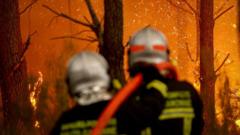
Despite the remarkable advances in wildfire detection technology, professional firefighters remain the cornerstone of effective fire suppression and emergency response. Detection systems can identify where fires are occurring, but they cannot extinguish flames, rescue stranded individuals, or make complex tactical decisions in real-time.
The physical demands of wildfire firefighting require trained professionals who can navigate treacherous terrain, operate specialized equipment, and coordinate large-scale emergency operations. Firefighters possess the tactical knowledge and experience necessary to assess dynamic fire conditions, predict fire behavior, and implement strategic suppression methods. Their ability to adapt to rapidly changing circumstances cannot be replicated by automated systems or remote monitoring technology.
The Integration of Technology and Human Expertise
The most effective approach to wildfire management combines advanced wildfire detection technology with the irreplaceable skills of professional firefighters. Detection systems provide the critical information firefighters need to deploy resources efficiently and strategically. Meanwhile, firefighters use this technological intelligence to make informed decisions about evacuation routes, resource allocation, and suppression tactics.
Agencies across North America and internationally have adopted integrated approaches where technology enhances firefighter capabilities rather than attempting to replace them. Drones equipped with thermal cameras provide reconnaissance information that guides ground crews. Computer models help predict fire spread patterns, allowing firefighters to position personnel and equipment more effectively. Real-time communication systems enable rapid coordination between multiple agencies and responding units.
Technological Limitations and Future Challenges
While wildfire detection technology continues to advance, certain limitations remain. Algorithms cannot navigate collapsed structures or identify hidden fire spots the way human eyes and experience can. Weather conditions that impair satellite imagery or sensor readings can blind automated systems at critical moments. The emotional intelligence and ethical decision-making required during emergency operations remain fundamentally human functions.
Looking forward, wildfire detection technology will likely become even more sophisticated. However, experts in emergency management and fire science consistently affirm that human firefighters will remain essential for decades to come. The question is not whether technology will replace firefighters, but rather how technology can best support and enhance their vital work.
Conclusion: A Collaborative Future
The battle against wildfires requires both technological innovation and human expertise. Advanced detection systems have transformed how agencies identify and respond to fire threats, but professional firefighters remain the irreplaceable foundation of effective fire suppression. Moving forward, the most promising approach combines the rapid detection capabilities of modern technology with the tactical skills, courage, and adaptability of trained firefighters. This partnership between human expertise and technological advancement represents the future of wildfire management and emergency response.