
Afghan Women's Lives Transformed Under Taliban Rule After Five Years
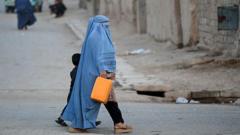
Afghan Women Report Profound Changes Under Taliban Governance
Afghan women are describing dramatically altered circumstances in their daily existence following five years under Taliban rule. The situation facing Afghan women has fundamentally shifted across multiple aspects of society, from employment opportunities to access to essential medical services. Testimonies collected from women throughout the nation reveal a pattern of restrictions that have reshaped their ability to work, participate in public life, and receive proper healthcare.
Employment and Economic Hardship
Significant barriers to employment have emerged as a central concern for many Afghan women. Thousands have lost their positions in government offices, educational institutions, and private sector roles since the Taliban's return to power. Women who previously held professional positions now find themselves unable to work, creating severe economic pressure on families who depended on their income. The restrictions on female employment have particularly impacted urban centers where women had established careers in teaching, healthcare, and administrative roles.
Single mothers and widows who relied on their salaries to support their families now face desperate circumstances. The loss of economic independence has forced many women to depend entirely on male relatives for survival, fundamentally altering the social and financial dynamics within households.
Public Punishment and Legal Consequences
Reports of public floggings have emerged as one of the most severe manifestations of Taliban enforcement. Women accused of violating strict moral codes face corporeal punishment administered in public spaces. These incidents serve as both punishment and deterrent, creating an atmosphere of fear within communities. The implementation of such severe measures reflects the Taliban's strict interpretation of Islamic law and their commitment to enforcing behavioral standards that differ dramatically from previous decades.
The arbitrary nature of punishments and the vague standards by which violations are determined have created uncertainty among the female population about what constitutes acceptable conduct in public and private settings.
Healthcare Access and Medical Crises
Healthcare accessibility for women has become increasingly compromised, creating life-threatening situations. Many female patients report inability to access proper medical treatment due to restrictions on female doctors treating male patients and limitations on women traveling without male escorts. Pregnant women have faced dangerous delays in receiving emergency obstetric care, as these restrictions prevent timely intervention in complications.
Healthcare facilities struggle with staffing shortages caused by female medical professionals being unable to work. Maternity wards and women's health services operate with reduced capacity, directly endangering lives. Women suffering from chronic conditions find themselves unable to receive continuous treatment, and mental health services for women have become practically unavailable.
Educational Barriers and Long-term Implications
Access to secondary and higher education for girls has been severely restricted, preventing an entire generation from obtaining qualifications and skills. Young women who were enrolled in universities before the Taliban takeover have been forced to abandon their studies. This educational disruption carries profound implications for Afghanistan's future development and these women's personal aspirations.
The psychological impact of educational exclusion extends beyond lost opportunities, affecting mental health and personal development during critical formative years.
Social Restrictions and Freedom of Movement
Restrictions on women's movement in public spaces have created practical challenges for daily life. Requirements for male escorts and dress code enforcement limit independence in accomplishing basic tasks like shopping or accessing services. These restrictions reinforce social segregation and reduce women's participation in community life.
Widespread Testimonies and Accounts
Women from various provinces and socioeconomic backgrounds report consistent themes of loss and restriction. Teachers, doctors, engineers, and students describe the fundamental transformation in what their lives have become. The collective testimonies paint a comprehensive picture of societal change affecting women at every level.
Many women express profound concern about the indefinite nature of these restrictions and uncertainty about whether circumstances might improve or continue deteriorating.
International Response and Documentation
International media outlets and human rights organizations continue documenting these conditions as evidence of systematic restrictions on women's rights. The accounts gathered provide crucial documentation of daily realities under current governance. These reports contribute to international awareness and discussion regarding the Taliban's policies toward women and girls.
The experiences shared by Afghan women serve as testament to the dramatic shifts in rights and freedoms that have occurred across the nation in recent years.