
AI Detects Heart Disease in Women Using Mammograms
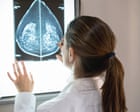
Revolutionary AI Technology Transforms Breast Cancer Screening
A groundbreaking discovery reveals that artificial intelligence can now detect heart disease in women by analyzing routine mammogram images, offering a dual-screening advantage during standard breast cancer examinations. This innovative approach leverages advanced machine learning algorithms to identify cardiovascular markers that medical professionals previously overlooked during conventional mammography assessments.
Breakthrough in Women's Cardiovascular Health
Researchers have successfully developed a methodology combining traditional breast imaging with artificial intelligence analysis to spot multiple cardiac conditions simultaneously. The technology demonstrates capability in identifying women presenting with coronary heart disease, elevated blood pressure levels, and previous stroke events—conditions that remain the leading cause of mortality among women globally.
How the AI System Works
The artificial intelligence framework processes mammogram data by recognizing specific patterns and markers associated with cardiovascular disease indicators. Rather than requiring separate diagnostic procedures, this integrated approach examines existing breast screening scans through an enhanced computational lens, revealing previously undetected heart disease risk factors within the same imaging session.
Implications for Preventive Healthcare
Medical professionals emphasize that these findings could fundamentally reshape women's preventive healthcare protocols. By implementing AI detection of heart disease during routine mammograms, healthcare systems can identify at-risk patients earlier, enabling timely interventions before serious cardiac events occur. This represents a significant advancement in addressing the widespread underdiagnosis of cardiovascular conditions in female populations.
Addressing Gender Disparities in Cardiac Diagnosis
Women frequently experience delayed or missed cardiac diagnoses compared to men, partly because traditional screening methods miss critical warning signs. The integration of artificial intelligence into mammogram interpretation addresses this critical gap by providing clinicians with comprehensive health assessments during appointments already scheduled for cancer screening purposes.
Clinical Significance and Future Applications
The ability to detect heart disease through mammogram analysis using AI technology opens substantial possibilities for healthcare optimization. Hospitals and imaging centers can implement this dual-screening capability without requiring additional patient visits or separate diagnostic equipment. Women undergoing routine breast cancer screenings could simultaneously benefit from cardiovascular risk assessment.
Experts project that widespread adoption of this technology could substantially reduce undiagnosed heart disease cases among women. By catching cardiovascular problems during existing screening procedures, medical teams gain critical opportunities to recommend lifestyle modifications, prescribe preventive medications, or pursue further specialized cardiac evaluations as warranted.
Integration into Standard Care Protocols
Healthcare institutions are exploring ways to integrate artificial intelligence heart disease detection into their mammography workflows seamlessly. Radiologists can receive AI-generated alerts highlighting potential cardiac indicators alongside traditional cancer assessment findings, enabling comprehensive patient reporting without disrupting established screening procedures.
Research Validation and Medical Support
The research underlying this breakthrough demonstrates measurable success rates in identifying women with undetected cardiovascular conditions. Medical experts acknowledge that this advancement represents a meaningful step toward comprehensive women's health screening, particularly for populations where heart disease risk remains underestimated or underdiagnosed.
Validation studies continue confirming the technology's reliability across diverse patient populations, ensuring that artificial intelligence applications remain accurate and beneficial regardless of patient demographics or individual health variations.
Patient Benefits and Health Outcomes
Women receiving mammogram examinations enhanced by artificial intelligence gain substantial advantages through early cardiovascular problem identification. Detecting heart disease before symptoms manifest allows patients to pursue preventive strategies, lifestyle interventions, and medical treatments that significantly improve long-term cardiac health outcomes and reduce mortality risk substantially.
This technology exemplifies how artificial intelligence continues transforming medical diagnostics by providing layered health intelligence through existing healthcare infrastructure, ultimately enhancing patient safety and treatment efficacy across diverse medical conditions simultaneously.