
Andy Burnham Set to Take Over as Starmer Resigns
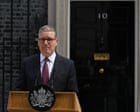
Starmer's Resignation Opens Door for Burnham
Andy Burnham is positioned to become the next Prime Minister of the United Kingdom following Keir Starmer's announcement to step down from his role as leader of the nation. After months of escalating pressure from within Labour Party ranks and growing concerns among cabinet members about electoral threats from Reform UK, Starmer has decided to relinquish his position, effectively paving the way for Burnham's succession without significant opposition.
The departure of Starmer marks a turning point in British politics, with the current Prime Minister acknowledging that he no longer represents the direction the country requires. This decision came after an intense period of internal party turmoil, with numerous MPs and senior government figures expressing their concerns about the government's trajectory and ability to withstand electoral challenges in the coming general election.
Timeline for Leadership Transition
The transition process is set to unfold over the coming weeks, with formal procedures and party mechanisms determining the exact timeline for the transfer of power. During this period, Andy Burnham is expected to outline his vision for governance through a series of comprehensive policy speeches. These presentations will serve to establish clear differentiation between his approach and that of the Starmer administration, signalling a fresh direction for the Labour government.
Burnham's initial policy announcements will focus on crucial areas including economic management and the devolution of powers to regional authorities. These topics represent areas where the incoming Prime Minister intends to challenge existing governmental approaches and introduce substantive reforms that reflect his political priorities.
Cabinet Composition and Strategic Appointments
As Andy Burnham prepares to assume office, discussions surrounding cabinet positions are already underway. The prospective Prime Minister is contemplating appointing Ed Miliband to the role of Chancellor of the Exchequer, a move designed to challenge prevailing Treasury orthodoxy and introduce alternative economic perspectives to government policymaking. However, this decision remains under consideration, as advisors have highlighted potential complications with business sectors and trade unions who hold reservations about such an appointment.
Burnham's team has weighed the advantages and disadvantages of this strategic move, recognising that while it could signal a meaningful departure from previous economic policies, it carries certain risks that require careful evaluation. Sources close to the transition have indicated that despite these concerns, the incoming Prime Minister may ultimately proceed with this appointment as he builds his case for economic change.
Retention and New Ministerial Roles
Shabana Mahmood is anticipated to retain her position as Home Secretary under the new Burnham administration. This continuity reflects the incoming Prime Minister's appreciation for Mahmood's handling of significant policy challenges, particularly her approach to immigration matters. During recent electoral campaigns, Burnham publicly commended Mahmood for her willingness to address complex issues surrounding immigration policy, suggesting confidence in her continued stewardship of the Home Office.
Regarding other senior positions, Wes Streeting remains under consideration for elevated cabinet responsibilities. However, campaign sources have dismissed suggestions that Streeting possesses significant leverage in discussions about his future role. While some party members have advocated for his appointment as Chancellor to provide reassurance to financial markets, Streeting himself did not present such a case during leadership deliberations, according to campaign insiders.
Potential Challengers and Party Dynamics
Despite Burnham's apparent dominance in the succession race, loyal supporters of Starmer continue exploring whether a credible alternative candidate might emerge to challenge the Makerfield MP's ascension. These discussions remain contingent upon various factors, including whether Ed Miliband accepts a position as Chancellor. Political observers have suggested that Darren Jones could potentially represent such an alternative candidacy, though sources indicated he has not actively mobilised support for a leadership campaign. Nevertheless, these same sources declined to completely rule out his involvement, leaving some uncertainty about potential contest dynamics.
Broader Implications for Labour and Beyond
This transition within Labour leadership occurs against a backdrop of significant political challenges, including the rising influence of Reform UK and evolving public expectations regarding government performance. The shift from Starmer to Burnham represents more than a simple change in personnel; it potentially signals substantive alterations in policy direction and governmental priorities. The incoming administration's focus on economic reform and devolution suggests a commitment to addressing regional disparities and challenging conventional approaches to Treasury management that have characterised recent years of British governance.