
Andy Burnham Takes Labour Leadership: United Government Promised
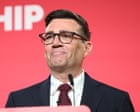
Burnham's Vision for a United Labour Government
Andy Burnham has formally assumed the role of Labour party leader, marking a pivotal moment for British politics as he prepares to become prime minister. His tenure as Andy Burnham Labour leadership representative signals a commitment to moving past the divisions that have plagued the party in recent years. The incoming leader has made clear his determination to establish a cohesive administration that operates without the factional disputes and internal conflicts that previously weakened Labour's position.
In his inaugural address as party leader, Burnham emphasized the importance of collective action and consensus-building. He outlined his intention to transform Labour's public image from one marked by infighting to a party unified around shared objectives. This shift represents a significant departure from the turbulent period preceding his election, during which various factions within Labour competed for influence and direction.
A Leftwing Agenda for National Transformation
The incoming prime minister has articulated a distinctly progressive vision for Britain's future. Burnham's platform centers on reversing decades of conservative economic policies, specifically targeting the neoliberal frameworks established during the 1980s. He has committed to substantial reforms that would fundamentally reshape the nation's economic landscape.
Central to his agenda is the restoration of public ownership across key utility sectors. Burnham has pledged to bring essential services including water, energy, and telecommunications back under public control, reversing privatization policies implemented over the past four decades. This represents a significant ideological shift toward increased state intervention in the economy and reflects broader Labour commitments to prioritizing public welfare over corporate profit.
Social Care and Housing Crisis Solutions
Among Burnham's most urgent priorities is addressing the crisis in social care provision. He has committed to identifying and allocating sufficient funding to reform the aging and underfunded social care system. This initiative represents a recognition of the severe challenges facing elderly citizens and their families who struggle with inadequate provision and mounting costs.
Furthermore, the new Labour leader has pledged to accelerate the construction of council housing to address Britain's persistent housing shortage. Burnham's vision includes building a new generation of affordable, publicly-owned homes designed to provide secure housing for working families and vulnerable populations. This proposal directly challenges the decades-long reduction in council housing stock and marks a return to post-war housing principles.
Navigating Party Concerns Over Leadership Appointments
Despite Burnham's unifying rhetoric, anxiety persists within certain sections of the Labour party regarding key personnel decisions. Particular concern has been raised regarding the potential appointment of Shabana Mahmood as chancellor of the exchequer. Some members of Labour's left wing have expressed reservations about this selection, fearing it may signal a retreat from the party's progressive economic agenda.
These tensions illustrate the ongoing challenge Burnham faces in balancing different ideological perspectives within his coalition. The chancellor position carries enormous significance, as it will determine whether the incoming government pursues bold redistributive policies or adopts a more cautious fiscal approach. The appointment remains a focal point for internal party dynamics.
A Government's Final Opportunity
Burnham has characterized the incoming Labour government as having a "last chance" to implement transformative policies that address Britain's fundamental problems. This framing suggests urgency and acknowledges public expectations for substantial change. The Labour leader has positioned himself as committed to delivering meaningful results rather than incremental adjustments.
His appointment as party leader comes at a critical juncture for British politics. After years of Conservative governance, public opinion has shifted decidedly toward Labour, providing Burnham with a mandate for significant policy changes. However, the economic and social challenges facing Britain are substantial, requiring difficult decisions and sustained commitment to long-term reform agendas.
Transition to Number 10
Burnham officially becomes prime minister on Monday, completing his transition from Labour leader to head of government. This appointment marks the culmination of a carefully managed political strategy designed to present Labour as a responsible, united alternative to Conservative administration. The timing of his ascension reflects the electorate's desire for change and fresh leadership.
The new prime minister's initial focus will be establishing his administration's credibility and demonstrating competence in managing the economy, public services, and international relations. Success in these early months will be crucial in validating public confidence in Labour's return to power and establishing momentum for longer-term policy implementation. Burnham's challenge extends beyond managing his party to delivering tangible improvements in citizens' daily lives.