
Australia Records Inaugural H5N1 Bird Flu Case: Virus Now Spans All Continents
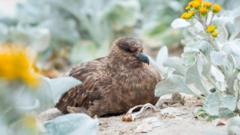
Australia Confirms First H5N1 Bird Flu Detection
Australia has officially documented its initial case of H5N1 bird flu, marking a significant milestone in the global spread of this highly pathogenic avian influenza virus. The discovery represents a turning point, as Australia was notably the sole remaining continent that had managed to avoid confirmed detections of this strain until now.
The identification of H5N1 bird flu in Australia concludes a concerning pattern of continental expansion. With this confirmation, the H5N1 strain has now been identified on every continent across the globe, underscoring the virus's remarkable ability to traverse geographical barriers and establish itself in diverse environments.
Geographic Significance of This Discovery
Prior to this confirmation, Australia stood as a geographical exception in the worldwide distribution of H5N1 bird flu. The island nation's isolation and biosecurity measures had previously protected it from the spread that has affected other regions. However, the confirmation demonstrates that even remote and well-protected territories are not immune to emerging infectious disease threats.
The virus's reach across all continents represents an unprecedented phenomenon in recent animal health history. From Asia to Europe, Africa to the Americas, and now to Oceania, H5N1 bird flu has demonstrated exceptional capacity for long-distance transmission, likely facilitated by migratory bird populations and international trade in poultry and related products.
H5N1 Bird Flu: A Global Health Concern
H5N1 avian influenza has been a subject of intense scientific and public health scrutiny for decades. This highly pathogenic strain poses significant risks to domestic and wild bird populations, causing high mortality rates in infected flocks. The virus's zoonotic potential—its ability to jump from birds to humans—has prompted substantial international surveillance and research efforts.
While human infections remain relatively rare compared to bird infections, each case of human H5N1 detection raises alarm among public health authorities. The virus's high fatality rate in human cases, though limited in number, maintains its status as a priority pathogen requiring vigilant monitoring and rapid response protocols.
Implications for Australia's Biosecurity Framework
Australia's agricultural industry and wildlife management authorities now face new operational realities following the H5N1 bird flu confirmation. The nation's biosecurity protocols, which had previously protected against this particular strain, must be reassessed and potentially strengthened to manage ongoing risks of infection and transmission.
Domestic poultry producers will likely encounter enhanced testing requirements and movement restrictions. Wildlife monitoring programs may require expansion to track the virus in wild bird populations. These measures aim to prevent the establishment of H5N1 bird flu in sustainable populations that could perpetuate transmission cycles.
Continental Spread and Future Outlook
The appearance of H5N1 bird flu across all continents signals that future disease management strategies must embrace truly global cooperation. Surveillance systems, diagnostic capabilities, and response mechanisms require international coordination and resource-sharing.
Scientists and veterinary experts continue studying transmission routes to better understand how the virus moves between regions. Climate patterns, migratory bird routes, and anthropogenic factors all contribute to the virus's geographical expansion. Understanding these dynamics remains crucial for developing proactive containment strategies.
Response Measures and Monitoring
Authorities in Australia have initiated comprehensive surveillance and response measures following the H5N1 bird flu detection. Laboratory confirmation protocols have been activated, and quarantine procedures for affected populations are being implemented according to established international standards.
Public health agencies are coordinating with agricultural departments, wildlife management authorities, and international organizations to ensure a coordinated response. Information sharing with other countries facing H5N1 challenges provides valuable insights for managing similar situations domestically.
Looking Forward
The confirmation of H5N1 bird flu in Australia marks a watershed moment in global disease surveillance history. With the virus now documented on every continent, international attention to prevention, detection, and response capabilities becomes increasingly critical. Continued investment in research, surveillance infrastructure, and public health preparedness remains essential for protecting both animal and human populations from future outbreaks of this and other emerging pathogens.