
BBC's Funding Crisis: Why a New Model Urgently Needed
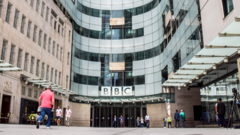
BBC Faces Critical Juncture in Latest Annual Report
The British Broadcasting Corporation has unveiled significant operational and financial challenges in its most recent annual report, intensifying calls for a comprehensive overhaul of the current BBC funding model. The broadcaster's leadership has made an unprecedented appeal for policymakers to consider alternative revenue structures that could replace the traditional licence fee system that has underpinned British public service broadcasting for decades.
Understanding the Current Funding Crisis
According to media analysis by Katie Razzall, the corporation's struggles extend far beyond simple budget constraints. The BBC funding model has come under increasing pressure as viewer demographics shift and consumption patterns evolve. The licence fee, which currently represents the primary revenue source for the broadcaster, faces mounting criticism from both political quarters and the public regarding its sustainability and fairness.
Why the License Fee Faces Questions
The traditional licence fee reform debate has intensified as households grapple with cost-of-living pressures. Simultaneously, the BBC's extensive portfolio of channels, services, and digital platforms requires substantial investment to remain competitive with international streaming giants. This tension between maintaining comprehensive public service broadcasting and securing adequate funding has created an urgent need for fresh thinking about how the organization should be financed.
What the Annual Report Reveals
The BBC annual report details numerous operational challenges that underscore the organization's precarious position. The corporation has outlined how current funding levels constrain its ability to commission new original content, maintain technical infrastructure, and compete for creative talent. The report presents data showing audience reach across different demographics and geographic regions, while simultaneously highlighting gaps in service provision that cannot be adequately addressed under existing budget constraints.
Impact on Programming and Services
The funding pressures documented in the BBC annual report have direct consequences for viewers and listeners. Content production budgets have become increasingly stretched, with difficult choices required about which services to prioritize. Regional programming, educational content, and innovative digital projects have all felt the impact of financial constraints, raising questions about whether the broadcaster can fulfill its public service remit effectively.
The Case for a New BBC Funding Model
The broadcaster's leadership argues that a reformed BBC funding model is essential for long-term viability. Potential alternatives being discussed include hybrid funding approaches that combine public and private revenue streams, subscription-based models for premium content, or reformed licence fee structures that better reflect modern viewing habits and household composition.
International Perspectives on Public Broadcasting
Other major public broadcasters across Europe and internationally have experimented with various funding mechanisms. Some countries have introduced progressive fee structures based on household income, while others have implemented mixed funding models combining government grants, advertising, and viewer contributions. These examples provide valuable insights into how a reformed licence fee reform system might function in the British context.
Implications for British Broadcasting
The challenges outlined in the annual report have significant implications for the future of the British broadcasting crisis. Stakeholders including politicians, media regulators, industry professionals, and the public must engage in serious discussion about what role public service broadcasting should play in contemporary Britain and how that role should be funded sustainably.
Political and Public Considerations
Policymakers face mounting pressure to address the issues raised by the BBC's leadership. Any reform to the BBC funding model or licence fee reform will likely prove controversial, touching on questions of fairness, cultural value, and government involvement in media. The broadcaster's call for urgent action reflects genuine concerns about its capacity to maintain current service levels without decisive intervention.
Looking Forward: Options and Opportunities
The BBC annual report serves as a catalyst for broader discussions about the future of public service broadcasting in the digital age. Various stakeholders have proposed different solutions, from increased government funding to revised commercial partnerships or technology-enabled efficiency improvements. The coming months and years will determine whether meaningful reform of the BBC funding model can be implemented to secure the broadcaster's future while maintaining its independence and editorial integrity.