
Disney Grants TikTokers Rights to Use Film and TV Clips in Creator Content
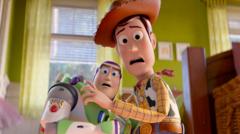
Disney Expands Reach Through TikTok Creator Licensing Agreement
A groundbreaking partnership has emerged between Disney and TikTok, establishing a formal framework that permits select content creators to incorporate clips from Disney's extensive film and television library into their own videos. This Disney TikTok deal represents a significant shift in how major entertainment studios approach digital content distribution and creator collaborations in the modern social media landscape.
The arrangement opens new possibilities for creators who wish to develop engaging content while maintaining compliance with intellectual property regulations. Rather than facing takedown notices or legal complications, creators can now leverage Disney's beloved characters, iconic moments, and memorable scenes within their original productions, provided they adhere to the terms of the licensing agreement.
What This Disney TikTok Deal Means for Content Creators
The collaboration between Disney and TikTok fundamentally changes the content creation ecosystem on the platform. Previously, creators faced significant restrictions when attempting to incorporate material from major studios, limiting their creative possibilities and forcing them to seek alternative approaches. With this new Disney TikTok deal in place, participating creators gain legitimate access to a treasure trove of entertainment assets.
Creators participating in this initiative can now produce derivative works, reaction videos, and original content that features Disney material without fear of copyright infringement claims. This legitimizes a practice that has long existed in the creator economy while establishing clear boundaries and expectations for both parties involved in the exchange.
Benefits for Selected Creators
The select creators who qualify for this opportunity gain several distinct advantages. First, they can enhance their content quality by incorporating professionally-produced Disney footage, which often meets or exceeds the production values of independent creators. Second, Disney's library includes some of the most recognizable and beloved content in entertainment history, meaning videos utilizing these assets have inherent appeal to audiences.
Third, this legitimacy removes the constant threat of content removal or account penalties, allowing creators to plan long-term content strategies with confidence. They can build sustainable audiences knowing their work won't be suddenly deleted due to copyright strikes. This stability is crucial for creators who depend on consistent platform engagement for their livelihood.
Strategic Implications for Disney's Digital Strategy
From Disney's perspective, this Disney TikTok deal serves multiple strategic objectives simultaneously. The entertainment giant recognizes that TikTok represents one of the most significant platforms for reaching younger demographics who represent future customers for Disney's products and services. By enabling creators to feature Disney content, the studio effectively leverages millions of creators as unpaid marketing ambassadors.
The arrangement allows Disney to maintain better control over how its intellectual property appears in user-generated content compared to the previous era of unauthorized usage. Rather than fighting an endless battle against copyright infringement, Disney has opted to channel creator enthusiasm in controlled and beneficial directions. This approach reflects modern understanding of how media companies must adapt to digital-native audiences and platforms.
The Broader Context of Entertainment Licensing Evolution
This Disney TikTok deal exists within a larger transformation occurring across the entertainment industry regarding digital licensing and creator partnerships. Traditional studios are increasingly recognizing that attempting to completely restrict fan-created content proves both expensive and counterproductive. Instead, establishing formal licensing arrangements creates win-win scenarios for both studios and creators.
Other major entertainment companies may follow Disney's lead, establishing their own creator licensing programs on TikTok and competing platforms. This trend could reshape how intellectual property holders approach user-generated content, moving from confrontation to collaboration. The Disney TikTok deal may ultimately serve as a template for future agreements between established media companies and social platforms.
Terms and Eligibility Considerations
While specific details regarding the Disney TikTok deal have been partially disclosed, the arrangement does include certain requirements and limitations. Not all creators automatically qualify for participation; instead, Disney and TikTok have established criteria that selected creators must meet. These requirements typically involve factors such as account standing, audience size, content quality standards, and compliance history with platform guidelines.
The agreement likely includes restrictions on how Disney content can be used, preventing creators from simply reposting films or TV episodes without adding original value. Creators must incorporate Disney material into new, transformative content that adds their own creative contribution. This maintains the distinction between legitimate creator content and simple piracy or unauthorized distribution.
Future Outlook for Creator-Studio Partnerships
The success of this Disney TikTok deal could establish patterns for how entertainment companies and social platforms collaborate in coming years. As creators increasingly become central to entertainment discovery and consumption, studios recognize the necessity of formal partnerships that acknowledge creator value while protecting intellectual property interests.
This evolution benefits all stakeholders: studios gain promotional reach and controlled usage of their content, creators obtain legitimate tools and resources to improve their work, and audiences access more engaging and diverse entertainment content. The Disney TikTok deal represents a maturation of the creator economy, moving beyond informal practices toward sustainable, structured relationships that benefit the entire entertainment ecosystem.