
Electric Vehicle Insurance Costs: Rising Premiums and Solutions
Understanding the Premium Structure for Electric Vehicle Insurance
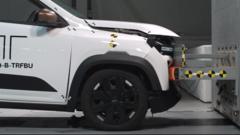
Electric vehicle insurance costs remain a significant barrier for prospective purchasers evaluating the total ownership expense. The elevated premiums associated with electric vehicles reflect several interconnected factors that insurers consider when calculating risk and coverage rates for these innovative automobiles.
Why Electric Vehicle Insurance Costs Exceed Traditional Vehicles
Several key elements contribute to the higher electric vehicle insurance costs that consumers encounter. First, replacement and repair expenses for battery-powered automobiles significantly surpass those of conventional gasoline-powered vehicles. When collision or comprehensive damage occurs, the specialized components and advanced technology integrated into electric vehicles demand expert technicians and expensive parts, substantially increasing claim costs for insurers.
The battery pack, representing the most expensive single component in any electric vehicle, requires specialized knowledge to repair or replace. This expertise is concentrated among a limited number of certified technicians, reducing competition and elevating labor costs. Insurers account for these potential expenses by adjusting their premium structures accordingly.
Additionally, the relative scarcity of electric vehicles on roadways means insurers possess limited historical data regarding accident frequencies, repair outcomes, and long-term damage patterns. This statistical uncertainty prompts insurance companies to apply conservative pricing models that favor higher premiums until comprehensive data accumulates.
The Impact of Advanced Safety Technology on Insurance Rates
Paradoxically, the sophisticated safety features standard on most electric vehicles contribute to elevated insurance premiums rather than reducing them. Sensors, cameras, and autonomous emergency braking systems substantially increase repair costs when damaged. A minor fender-bender might require recalibration or replacement of expensive sensor arrays, transforming what would be a modest repair into a costly undertaking.
The complexity of electric vehicle platforms means that even non-structural damage can necessitate extensive diagnostic work and software updates, further amplifying repair expenditures.
Current Industry Solutions and Initiatives
Recognizing that high electric vehicle insurance costs undermine adoption rates, insurance companies and manufacturers are implementing various strategies to address this challenge. Insurance providers are developing specialized rating models specifically designed for electric vehicles, moving beyond standardized automotive insurance frameworks.
Some insurers now offer dedicated electric vehicle policies that acknowledge the unique characteristics of battery-powered transportation. These products often include provisions for accidental battery damage coverage and expanded roadside assistance options tailored to electric vehicle requirements.
Manufacturer and Dealer Involvement
Automotive manufacturers are collaborating with insurance partners to streamline repair processes and reduce costs. Establishing certified repair networks ensures that electric vehicle maintenance follows manufacturer specifications while maintaining competitive pricing. Several manufacturers now offer extended warranty coverage that includes battery protection, which can offset insurance premium concerns.
Additionally, manufacturers are investing in training programs that develop skilled technicians capable of servicing electric vehicles. As the technician workforce expands, competition increases and labor costs decline, ultimately benefiting consumers through reduced insurance premiums.
Future Outlook for Electric Vehicle Insurance Pricing
As electric vehicles continue gaining market share, the insurance industry will accumulate increasingly robust data regarding accident patterns, repair costs, and long-term reliability metrics. This empirical evidence will enable more refined and equitable premium calculations based on actual experience rather than conservative estimates.
Industry analysts expect electric vehicle insurance costs to gradually converge toward conventional vehicle rates as data maturation occurs and repair infrastructure becomes standardized. The transition to electric mobility will eventually normalize insurance pricing once sufficient statistical evidence demonstrates the true risk profile of battery-powered vehicles.
Consumers considering electric vehicles should explore insurer options carefully, as premium variations between providers remain substantial. Securing quotes from multiple insurance companies allows buyers to identify competitive rates and leverage manufacturer incentive programs designed to offset elevated coverage expenses.