
England's Drought Crisis: Over 66% of Nation Faces Water Scarcity
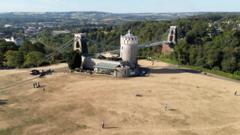
England Drought Crisis Escalates Across Multiple Regions
England's drought crisis has reached a critical stage as more than two-thirds of the nation now faces severe water scarcity conditions. The expansion of drought status across England represents a significant environmental and infrastructural challenge for the country's water management systems and residential communities.
The affected areas demonstrate the widespread nature of England's current water shortage, extending from the agricultural heartlands to densely populated southeastern regions. This geographical distribution of drought conditions underscores the severity and scale of the crisis affecting the nation.
Regional Drought Declarations Across England
Several major regions have officially transitioned into drought status, signifying unprecedented water stress levels. The East Midlands has entered drought conditions, affecting one of England's most economically important agricultural areas. This designation carries serious implications for farming operations, food production, and local water availability throughout the region.
East Midlands and East Anglia Affected
The East Midlands, along with Lincolnshire and Northamptonshire, now operates under official drought status. These three regions form a critical agricultural zone responsible for significant food production. The imposition of drought conditions in these areas directly threatens crop yields, livestock management, and rural water supplies for both agricultural and domestic consumption.
Southeast England Enters Critical Phase
The southeastern regions of Kent and East Sussex have been declared in drought status, affecting millions of residents in one of England's most densely populated areas. The Solent region and the South Downs have similarly entered drought conditions, extending the crisis into the crucial water supply zones serving the South Coast and Hampshire areas.
Implications of England's Water Shortage
The establishment of drought status across more than two-thirds of England carries profound consequences for water supply infrastructure, agricultural operations, and everyday life for millions of residents. Water companies face increased pressure to manage diminishing resources while maintaining supply to households and businesses.
The drought conditions demand immediate attention to water conservation practices, agricultural irrigation management, and long-term water security planning. These measures are essential to preventing further deterioration of water availability in affected regions.
Environmental and Economic Impact Assessment
The expansive nature of England's drought crisis affects multiple economic sectors simultaneously. Agricultural production faces reduced output due to insufficient water for irrigation and livestock requirements. Hydroelectric power generation may be compromised by lower water levels in reservoirs.
Tourism and recreation industries in affected regions experience potential disruption, while manufacturing and industrial operations depending on water resources must adapt to scarcity conditions. The cumulative economic impact across England's drought-affected regions requires coordinated response strategies.
Water Management and Conservation Efforts
Local authorities and water companies have implemented or are considering enhanced conservation measures throughout England's drought regions. Public awareness campaigns promote water-saving practices among residential consumers and businesses.
The establishment of drought status serves as an official designation triggering specific regulatory frameworks and emergency protocols. Water companies gain additional authority to implement restrictions on non-essential water use and pursue alternative supply options.
Looking Forward: Addressing England's Water Crisis
The unprecedented extent of England's drought crisis necessitates comprehensive responses addressing both immediate water scarcity and long-term water security. Infrastructure improvements, conservation technology adoption, and sustainable water management practices require sustained investment.
Regional coordination between affected areas ensures efficient allocation of available water resources and mutual support mechanisms. Continued monitoring of rainfall patterns and groundwater levels remains essential for assessing drought severity and determining when drought status declarations can be lifted.