
Five-Year-Old's Fall from London Flat Reveals Safety Gaps
Tragic Incident Highlights London Flat Safety Concerns
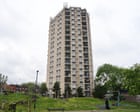
An inquest investigation into the death of five-year-old Aalim Ahmed has uncovered significant gaps in safety provisions within London flat residential units. The tragic incident occurred when the autistic child fell from a 15th-floor kitchen window at a tower block in Plaistow, east London, raising critical questions about housing safety standards and protective measures available in family accommodation.
The proceedings revealed that the London flat where the incident took place lacked adequate safeguards that could have prevented this devastating outcome. Aalim Ahmed's death on 16 May 2024 prompted a comprehensive examination of the residential block's safety infrastructure and the circumstances surrounding the family's occupancy of the temporary social housing unit.
Family's Relocation Request and Housing Conditions
Prior to the fatal incident, Aalim Ahmed's family had submitted multiple requests for relocation from the high-rise residential unit. Court documents presented during the inquest indicate that concerns about the London flat's suitability for a child with autism had been raised with housing authorities beforehand. Despite these documented concerns, the family remained housed in the 15th-floor accommodation, which ultimately proved tragically unsuitable.
The tower block in Plaistow served as temporary social housing for the Ahmed family, a circumstance that intersected with both institutional inadequacy and personal tragedy. Aalim's father, Makail Ahmed, had expressed concerns about the flat's elevation and accessibility, concerns that were not adequately addressed before the fatal fall occurred.
Circumstances of the Incident
On the morning of 16 May 2024, Makail Ahmed discovered his son's body shortly before 6am after the boy fell from the kitchen window of their 15th-floor residence. The rapid descent from such height proved immediately fatal, bringing an end to the young child's life and initiating a formal inquest into what happened. The incident devastated the family and sparked broader discussions about safeguarding responsibilities in residential settings.
The kitchen window, from which Aalim Ahmed fell, became the focal point of the inquest's examination. Investigators questioned whether standard window locks, restrictive opening mechanisms, or protective barriers could have been implemented to prevent access or limit the window's opening capacity, particularly in accommodation housing families with young children or those with autism spectrum conditions.
Safety Measures and Recommendations
Expert testimony presented during the London flat inquest proceedings emphasized that additional protective measures could realistically have been implemented within the residential unit. These potential interventions included child-safety window locks, limiting window opening to narrow gaps, installing protective barriers or grilles, and implementing regular safety inspections specifically tailored for high-rise residential accommodation.
The inquest heard evidence regarding standard industry practices for window safety in high-rise buildings, particularly those designated as family housing. Witnesses indicated that many comparable residential blocks in London and across the United Kingdom had implemented such measures as standard protocol, yet this particular tower block had not universally applied them.
Questions About Institutional Responsibility
The proceedings examined the responsibilities of housing authorities and property management companies regarding child safety provisions. Representatives from the housing organization faced questions about their protocols for assessing risks in temporary accommodation, their response to family requests for relocation, and their implementation of protective measures in units known to house families with vulnerable members.
The inquest also considered whether Aalim Ahmed's autism diagnosis should have triggered enhanced safety assessments and whether additional accommodations or protections should have been mandated before the family was housed in the high-rise temporary unit. These questions proved fundamental to understanding how institutional failures may have contributed to the tragedy.
Broader Implications for Housing Safety Standards
The death of Aalim Ahmed from a fall at the London flat has reignited debates about housing safety standards applicable to temporary social housing in the capital. Child welfare advocates argue that accommodation designated as family housing should be subject to stricter safety protocols, particularly regarding window access and fall prevention in high-rise buildings.
The inquest's findings regarding the inadequacy of safeguards in the Plaistow tower block have prompted calls for comprehensive review of safety standards across London's temporary housing stock. Housing policy experts suggest that current regulations may not adequately address risks present in high-rise family accommodation and that enhanced requirements should be established and enforced.
Legacy and Moving Forward
The tragedy of Aalim Ahmed's death represents a preventable loss that has prompted institutional reflection and policy discussion. While the inquest cannot restore what was lost, it serves as a documented record of how gaps in the London flat's safety infrastructure contributed to fatal consequences. The case demonstrates the intersection of housing policy, child protection responsibilities, and the implementation of practical safety measures in residential environments.
As investigations conclude and findings are released, housing authorities and property managers face renewed pressure to implement comprehensive safety protocols in temporary accommodation, particularly in high-rise buildings. The tragic fall from the 15th-floor window serves as a stark reminder that protective measures—often simple and cost-effective—can mean the difference between life and death for vulnerable residents.