
Food Purchase Tracking: Does Monitoring Consumption Boost Your Health?
Understanding Food Purchase Tracking and Its Impact on Wellness
The growing popularity of food purchase tracking has transformed how millions of people approach their dietary choices. Whether through dedicated applications or manual logging systems, many individuals now systematically monitor what they buy and consume. But does this meticulous approach to tracking purchases genuinely lead to meaningful improvements in overall health outcomes?
Food purchase tracking represents a modern approach to personal wellness management. Unlike traditional diet monitoring, which focuses solely on consumption, this method encompasses the entire journey from supermarket shelf to dinner table. By recording what you acquire, you create a comprehensive digital footprint of your nutritional intake patterns.
How Food Purchase Tracking Works in Practice
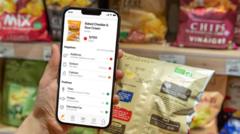
Contemporary food tracking applications employ sophisticated technology to streamline the monitoring process. Users can scan barcodes, photograph receipts, or manually input items they plan to purchase. These systems then aggregate data about nutritional content, calories, macronutrients, and micronutrients, providing detailed insights into eating patterns.
The mechanics behind these platforms involve database integration with thousands of food items, nutritional databases, and personalized goal-setting features. Advanced algorithms compare your actual intake against recommended daily values established by health organizations, offering real-time feedback and suggestions for improvement.
Documented Benefits of Monitoring Food Purchases
Research indicates that individuals who actively engage in food purchase tracking demonstrate increased awareness of their consumption habits. This heightened consciousness often translates into more deliberate food selection at retail locations. When you pause to record a purchase, you're forced to confront whether that item aligns with your health objectives.
Studies have shown that food purchase tracking correlates with improved weight management outcomes. Participants who consistently logged their acquisitions showed greater adherence to caloric targets and made more nutritionally balanced choices. Additionally, the practice encourages individuals to read nutritional labels more carefully, fostering better nutritional literacy overall.
Beyond weight management, systematic food tracking can reveal patterns that might otherwise remain hidden. You may discover that certain food purchases occur during specific emotional states or times of day, enabling you to identify trigger points for unhealthy eating behaviors.
Potential Drawbacks and Limitations of Food Tracking
Despite its benefits, food purchase tracking isn't without challenges. Some individuals develop obsessive relationships with the practice, creating anxiety around eating rather than promoting genuine wellness. This phenomenon, sometimes called orthorexia-adjacent behavior, can undermine mental health while pursuing physical health goals.
The time investment required for consistent food purchase tracking can also prove burdensome. Manually logging every item demands discipline and organization, potentially leading to tracking fatigue and eventual abandonment of the practice. Furthermore, the accuracy of nutritional databases varies significantly, sometimes providing misleading information that undermines the entire tracking process.
Who Benefits Most from Food Purchase Tracking?
Certain populations derive substantial benefits from implementing food purchase tracking into their routines. Individuals managing chronic conditions like diabetes, hypertension, or cardiovascular disease often find structured tracking invaluable for maintaining therapeutic dietary requirements. Similarly, athletes and fitness enthusiasts use purchase tracking to optimize performance nutrition.
People with specific weight management goals frequently report successful outcomes through consistent food purchase tracking. Those struggling with portion control or emotional eating patterns also find the accountability mechanism helpful in breaking harmful habits.
Recommendations for Effective Food Purchase Tracking
If you decide that food purchase tracking aligns with your health objectives, implementing several strategies maximizes effectiveness. First, establish clear, realistic goals beyond simple calorie counting. Focus on adding nutrient-dense foods rather than exclusively restricting items.
Select applications or tracking methods that integrate seamlessly into your existing lifestyle rather than creating additional stress. Whether digital or analog, consistency matters more than sophistication. Additionally, consider working with a registered dietitian who can interpret your tracking data contextually and provide personalized guidance.
Periodically assess whether food purchase tracking continues serving your wellbeing positively. If the practice generates anxiety or obsessive behaviors, scaling back or discontinuing may better support your overall health.
The Verdict: Is Food Purchase Tracking Right for You?
Food purchase tracking represents a legitimate tool for advancing dietary awareness and health outcomes, but it's not universally appropriate for everyone. The effectiveness depends entirely on your individual circumstances, psychological relationship with food, and specific health objectives. Rather than viewing it as a permanent requirement, consider it one strategy within a broader wellness toolkit that you can employ when beneficial and abandon when counterproductive.