
Ford Brings Back Engineers After AI Quality Checks Fall Short
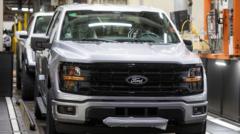
Ford Rehires Engineers Following AI Quality Control Setback
Leading automotive manufacturer Ford has made the strategic decision to rehire human engineers after discovering that artificial intelligence quality control systems fail to achieve the same standards as experienced technicians. The company's initiative to integrate advanced AI technology into its quality assurance processes encountered significant challenges when the automated systems proved unable to detect defects with the precision required for modern vehicle manufacturing.
The Limitations of AI in Quality Control
Ford's experience highlights a critical gap between theoretical capabilities and practical application of AI quality control in automotive production. While artificial intelligence offers speed and consistency in repetitive tasks, the nuanced judgment required to identify subtle manufacturing defects remains an area where human expertise prevails. Veteran technicians possess decades of accumulated knowledge, allowing them to recognize irregularities that algorithmic systems might overlook.
Why AI Quality Control Proved Insufficient
The automotive industry demands exceptional precision, where even minor imperfections can compromise vehicle safety and performance. AI quality control systems, despite their advanced programming, cannot replicate the contextual understanding and adaptive problem-solving that experienced human engineers bring to the table. These technicians can evaluate multiple variables simultaneously, making real-time adjustments based on subtle environmental factors and equipment variations that AI systems are not programmed to recognize.
Impact on Manufacturing Standards
Quality assurance represents a critical pillar in automotive manufacturing, directly influencing customer satisfaction, brand reputation, and regulatory compliance. Ford's decision to reinvest in human engineering talent reflects the company's commitment to maintaining rigorous quality standards across its production lines. By combining AI technologies with human expertise, the manufacturer aims to create a hybrid approach that leverages the strengths of both systems while compensating for individual limitations.
The Cost-Benefit Analysis
Initially, the transition to AI-driven quality control appeared economically advantageous, promising reduced labor costs and increased inspection speed. However, the long-term consequences of inadequate quality checks—including warranty claims, recalls, and reputation damage—far outweighed short-term savings. Ford's decision to rehire engineers demonstrates a pragmatic understanding that cutting costs on quality assurance ultimately proves counterproductive to business sustainability.
The Future of Human-AI Collaboration
Rather than viewing this development as a defeat for artificial intelligence, industry experts recognize it as a valuable learning opportunity. The reintegration of human engineers into Ford's quality control processes does not signal abandonment of AI technology. Instead, it represents a refined approach where AI systems handle high-volume initial screening, flagging potential issues for human review, while engineers provide the critical judgment required for final approval.
Technological Integration Moving Forward
Modern manufacturing increasingly recognizes that optimal results emerge from strategic human-AI partnerships rather than wholesale replacement of human workers with automated systems. Ford's revised quality control methodology positions AI as a support tool that enhances human capability rather than as a replacement technology. This collaborative model allows technicians to focus on complex evaluations while AI handles routine assessments.
Industry-Wide Implications
Ford's experience will likely influence how other automotive manufacturers approach quality assurance technology investments. The decision sends a clear message that advanced automation, while valuable, cannot completely supplant human expertise in sectors where precision and safety are paramount. Companies across industries may reconsider aggressive automation strategies, instead investing in training and retaining skilled workers who can effectively supervise and supplement AI systems.
Skill Preservation and Workforce Development
By rehiring engineers, Ford also addresses the broader challenge of preserving specialized technical expertise within the automotive sector. Experienced technicians represent irreplaceable institutional knowledge that guides quality standards and process improvement. Their retention ensures continuity of manufacturing excellence and provides valuable training for emerging engineers entering the industry.
Conclusion
Ford's decision to rehire human engineers following disappointing results with AI quality control systems underscores a fundamental truth: complex manufacturing demands human judgment alongside technological innovation. As the automotive industry continues evolving, successful manufacturers will be those that recognize where artificial intelligence excels and where human expertise remains indispensable. Ford's pragmatic approach to quality control demonstrates that sustainable competitive advantage comes from thoughtfully integrating human and artificial intelligence capabilities.