
Fraudulent Cancer Cures: Dewormer and Scabies Medications Marketed Deceptively
Dangerous Deception in Cancer Treatment Marketing
A comprehensive investigation by the BBC has uncovered a troubling scheme involving fraudulent cancer treatments being promoted to desperate patients. Individuals with terminal illnesses are being targeted and sold medications never intended for oncological use, including antiparasitic deworming agents and topical scabies treatments, under the false premise that these substances possess tumor-shrinking properties.
How the Scheme Operates
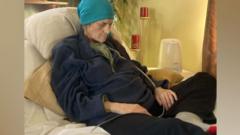
One documented case involved a terminally-ill patient approached by a stair lift salesman who made extraordinary claims about the efficacy of certain drugs. The salesman alleged that these medications could significantly shrink tumors and offered them as alternative cancer solutions. This represents a particularly egregious example of how vulnerability is being exploited in patient populations desperate for any potential cure.
The Products Being Misrepresented
The drugs being fraudulently marketed as cancer treatments include:
Deworming medications: Typically prescribed to eliminate parasitic infections, these veterinary and human antiparasitic drugs have absolutely no established oncological benefits or efficacy in treating malignant tumors.
Scabies treatments: Topical and systemic medications designed to address mite-related skin conditions are being misrepresented as having anti-cancer properties, despite complete absence of scientific evidence supporting such claims.
Vulnerability of Terminal Patients
Terminal cancer patients represent an especially vulnerable demographic. Facing limited conventional treatment options and confronting mortality, these individuals may be susceptible to false hope offered by unscrupulous actors. The investigation reveals how predatory marketing specifically targets this population, exploiting their desperation and willingness to explore unconventional options.
Risk Factors for Patients
By investing time, money, and emotional energy in fraudulent treatments, patients risk:
Delaying or abandoning legitimate medical interventions that could provide genuine benefit or palliative care. Financial exploitation through exorbitant pricing of medications obtained through illegitimate channels. Psychological harm from false hope followed by inevitable disappointment. Potential physical harm from medications used outside their intended therapeutic purpose and without medical supervision.
The Broader Context of Medical Fraud
This investigation illuminates a wider problem within healthcare fraud schemes. Unregulated online markets and unethical practitioners continue to capitalize on cancer patients' desperation. The BBC's findings suggest that regulatory agencies and law enforcement must intensify efforts to identify and prosecute those perpetrating fraudulent cancer treatments schemes.
Why These Drugs Don't Work
Deworming medications and scabies treatments operate through entirely different pharmacological mechanisms than cancer therapeutics. Antiparasitic agents target parasitic organisms, while scabies medications address specific mite-related skin conditions. Neither possess the cellular or molecular properties necessary to target cancer cells, induce apoptosis, or shrink tumors. The scientific foundation for their use in oncology simply does not exist.
Recommendations for Patient Protection
Healthcare providers and patient advocacy organizations should implement comprehensive education programs explaining why such schemes persist and how to identify false medical claims. Patients should always verify claims with their oncology teams and consult reputable medical institutions before pursuing alternative treatments. Regulatory bodies must enhance monitoring of online medical marketplaces where such fraudulent products are frequently promoted and sold.
Conclusion
The BBC's investigation serves as a critical reminder of the persistent threat posed by medical fraud within cancer care. While fraudulent cancer treatments continue emerging in various forms, enhanced patient awareness, stricter regulation, and aggressive prosecution of perpetrators remain essential. Cancer patients deserve accurate information and legitimate treatment options, not exploitation by charlatan medical practitioners masquerading as healers.