
Germany Reconsiders Coal Energy Amid Rising Gas Costs
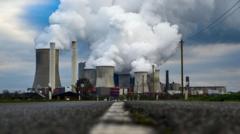
Germany Reconsiders Coal-Powered Electricity Amid Energy Crisis
Coal-powered electricity has become an unexpected topic of discussion in Germany as the nation grapples with skyrocketing natural gas prices. What was once considered a relic of the past now presents itself as a potential solution to Europe's most pressing energy challenge. The surge in gas costs has forced German policymakers to reassess their long-standing commitment to phasing out coal entirely, prompting a critical review of energy strategy across the continent.
The Original Plan to Eliminate Coal
Germany had committed to a comprehensive phase-out of coal energy, establishing one of Europe's most ambitious timelines for abandoning fossil fuels. This Energiewende, or energy transition, represented a cornerstone of German climate policy and environmental leadership. The nation invested heavily in renewable sources like wind and solar power, positioning itself as a global champion of clean energy. However, the recent developments in global energy markets have created an unexpected dilemma for German officials.
Natural Gas Price Explosion and Its Impact
The dramatic increase in natural gas prices has fundamentally altered Germany's energy calculus. Supply disruptions and geopolitical tensions have driven costs to unprecedented levels, making traditional power generation options suddenly more economically viable. These elevated prices have forced energy providers and government officials to explore alternatives that could stabilize electricity costs for consumers and industry. Coal-powered electricity, despite its environmental drawbacks, now appears as a potentially attractive option from an economic perspective.
Economic Considerations vs. Environmental Goals
This reassessment creates a significant tension between economic stability and environmental commitments. Coal-powered electricity generation produces substantial carbon emissions and contradicts Germany's climate neutrality targets. Yet the economic burden of expensive natural gas threatens industrial competitiveness and household energy affordability. German policymakers find themselves navigating between two competing priorities: maintaining economic viability and honoring climate pledges.
Current Status of Coal Infrastructure
Germany maintains existing coal power plants that were scheduled for decommissioning. These facilities, while aging, remain operational and could potentially extend their service life if the economic conditions warrant such decisions. The technical capability to reactivate or extend coal-powered electricity production exists, making this option more than theoretical. However, bringing these plants back online would require significant regulatory and political decisions.
Renewable Energy as Long-Term Solution
Despite the short-term reconsideration of coal-powered electricity, Germany continues investing in renewable energy infrastructure. Wind and solar capacity expansions remain central to the nation's energy strategy. These sustainable alternatives offer long-term solutions to energy independence and climate objectives. The challenge lies in managing the transition period while renewable sources scale up to meet national demand.
European Energy Markets and Regional Impact
Germany's potential shift toward coal-powered electricity would ripple across European energy markets. As the continent's largest economy and industrial hub, German energy decisions influence regional pricing and policy. Other European nations facing similar natural gas challenges watch Germany's approach closely, as it may establish precedent for energy policy adjustments across the EU.
Future Outlook and Policy Decisions
The debate surrounding coal-powered electricity in Germany reflects broader global energy challenges. Policymakers must balance multiple objectives: energy security, economic affordability, and climate responsibility. Decisions made in coming months will shape Germany's energy landscape for decades. Whether coal-powered electricity represents a temporary expedient or a longer-term policy shift remains uncertain, but the reconsideration itself demonstrates how dramatically global energy circumstances can reshape national strategies.