
GPS Trackers May Not Recover Stolen Vehicles, Security Experts Warn
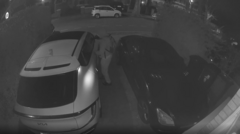
Reliability of Stolen Vehicle Trackers Questioned by Professionals
When it comes to protecting your vehicle from theft, stolen car trackers have long been marketed as a fail-safe solution. However, security experts and law enforcement officials are increasingly cautious about the actual effectiveness of these devices in recovering vehicles. Recent investigations reveal significant gaps between consumer expectations and real-world capabilities of tracking systems designed to locate and recover stolen automobiles.
The confidence in stolen car trackers has been undermined by multiple factors, ranging from technological limitations to legal restrictions that prevent manufacturers from fully deploying their tracking capabilities. Vehicle owners who invest in these systems often remain unaware of the constraints that limit how quickly and effectively authorities can act once a car is reported missing.
Legal Barriers to Live Vehicle Tracking in the United Kingdom
Kia, a major automotive manufacturer with a significant presence in the UK market, recently disclosed to BBC journalists that British legislation creates substantial obstacles to implementing live vehicle tracking features. According to the company, current UK law prevents vehicle manufacturers from utilizing their location tracking function to monitor cars in real time, even when those vehicles have been stolen.
This legal constraint represents a fundamental challenge to the stolen car trackers industry. While manufacturers have developed sophisticated technology capable of pinpointing vehicle locations within seconds, regulatory frameworks in several countries prohibit the continuous monitoring of automobiles without explicit legal justification. The distinction between tracking for anti-theft purposes and invasion of privacy has become increasingly blurred in legislative discussions.
How Tracking Technology Functions in Modern Vehicles
Contemporary vehicles equipped with tracking systems typically use Global Positioning System technology combined with cellular or satellite networks to transmit location data. These stolen car trackers operate through subscription-based services, where vehicle owners receive notifications and can access real-time maps showing their car's position through dedicated mobile applications or web portals.
However, the infrastructure supporting these systems depends on cooperation between vehicle manufacturers, network providers, and law enforcement agencies. When legal limitations prevent manufacturers from activating tracking features independently, recovery times increase substantially, and the effectiveness of stolen car trackers diminishes accordingly.
Impact on Vehicle Recovery Rates
Statistics demonstrate that the faster authorities can locate a stolen vehicle, the higher the probability of successful recovery. Police departments working with conventional investigation methods without real-time tracking data experience significantly longer response times. Stolen car trackers that cannot provide continuous location updates reduce law enforcement's ability to intercept vehicles before they reach chop shops or are transported beyond recovery zones.
Insurance companies and automotive manufacturers have invested millions in stolen car trackers technology, yet these investments yield diminishing returns when regulatory frameworks restrict their application. Vehicle owners paying monthly subscription fees for tracking services often receive limited tangible benefits, as recovery success rates remain disappointingly low.
Expert Recommendations for Vehicle Security
Rather than relying solely on stolen car trackers, security experts recommend a multi-layered approach to vehicle protection. This strategy includes installing visible deterrents such as steering wheel locks and alarm system stickers, utilizing immobilizer technology that prevents engine ignition without proper authentication, and practicing behavioral security measures such as parking in well-lit, populated areas.
Additionally, vehicle owners should consider comprehensive insurance coverage that compensates for stolen vehicles regardless of recovery outcomes. While stolen car trackers represent one component of a security strategy, they should not be viewed as standalone solutions to vehicle theft prevention.
Future Developments in Vehicle Tracking Regulation
Automotive industry stakeholders continue engaging with government agencies to address the legal barriers restricting stolen car trackers deployment. Proposed regulatory changes would establish clear protocols distinguishing between privacy-protective monitoring and essential anti-theft functions, potentially allowing manufacturers to activate tracking features specifically when vehicles are reported stolen.
Until such legislative reforms materialize, consumers should maintain realistic expectations regarding the capabilities and limitations of their vehicle's tracking systems and combine technological solutions with comprehensive security practices.