
Infantino Critics Demand FIFA Leadership Change or Face Non-Cooperation
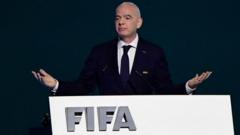
Rising Tensions Over FIFA Leadership
Senior officials within European football's governing structures are escalating their campaign against the current FIFA administration, with threats of strategic non-cooperation emerging as a powerful negotiating tool. Opponents of Gianni Infantino are making unprecedented demands that could reshape the future direction of international football governance. According to high-ranking UEFA sources, multiple factions are coordinating efforts to pressure the FIFA president into reconsidering his position.
The Non-Cooperation Strategy
The threat of non-cooperation represents a significant escalation in the ongoing dispute surrounding FIFA's leadership structure. Rather than engaging in direct confrontation, critics of Infantino are signaling their willingness to withdraw collaborative support across various footballing initiatives and regulatory compliance matters. This calculated approach aims to create substantial pressure without openly breaking established protocols.
Senior Uefa representatives have indicated that this strategy extends beyond symbolic gestures. The implied withdrawal of cooperation could affect tournament organization, regulatory enforcement, player transfer procedures, and other critical functions that depend on seamless coordination between FIFA and continental confederations. Such coordination breakdowns would fundamentally disrupt the professional football ecosystem at both club and international levels.
Key Demands and Conditions
The ultimatum circulating through football's upper echelons is straightforward: Gianni Infantino must step down from his position as FIFA president. Without his resignation, the opposing faction has resolved to implement systematic non-cooperation across multiple operational areas. This represents one of the most serious challenges to FIFA's institutional authority in recent years.
According to UEFA insiders, the discontent extends across numerous confederations and associations who share concerns about current administrative direction. The coalition building suggests that this is not an isolated protest but rather a coordinated international movement involving multiple football stakeholders with substantial institutional influence.
Implications for Football Governance
The potential implementation of non-cooperation measures could have far-reaching consequences for professional football worldwide. FIFA's operational capacity depends on collaborative relationships with national associations, continental confederations, and league administrators. Should these parties collectively withdraw cooperation, the consequences could be severe and unprecedented.
Tournament scheduling, regulatory compliance, disciplinary procedures, and international match organization could all face significant disruption. The ripple effects would likely extend to club football, as national associations might redirect their attention and resources toward addressing internal governance disputes rather than managing FIFA-related obligations.
Historical Context and Current Situation
This confrontation represents an escalation of ongoing tensions that have characterized FIFA's administration under Infantino. The Infantino FIFA opposition movement has gained momentum as various footballing authorities express dissatisfaction with current governance practices and strategic decisions. The threat of non-cooperation signals that critics have moved beyond verbal objections toward concrete action planning.
The involvement of senior UEFA officials adds significant weight to these threats, as European football commands enormous financial resources, broadcasting influence, and institutional credibility within international sports governance. Any meaningful challenge to FIFA's authority requires support from such prominent confederations to carry real leverage.
What Comes Next
The coming weeks and months will determine whether these threats translate into actual non-cooperation or whether negotiations might produce alternative resolutions. Infantino's response to these demands remains a critical variable in predicting the trajectory of this leadership crisis. Given the coordinated nature of the opposition and the serious implications outlined by UEFA sources, the football world faces a period of significant institutional uncertainty.
The demands for Gianni Infantino resignation represent more than personal criticism; they reflect fundamental disagreements about FIFA's direction, governance philosophy, and operational priorities. How FIFA's administration responds to this unprecedented pressure will likely define the future structure of international football governance for years to come.