
Iran Threatens Strait of Hormuz Closure Due to Israel's Lebanese Operations
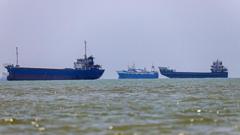
Iran Warns of Strait of Hormuz Closure Amid Escalating Tensions
Iran has issued a significant warning regarding a potential Strait of Hormuz closure in response to what Tehran characterizes as Israel's escalating military operations in Lebanon. This development represents a critical moment in Middle Eastern geopolitics, as the Islamic Republic asserts that the ongoing Israeli campaigns violate fundamental agreements brokered with the United States to de-escalate regional conflict.
Breach of International Agreements
Iranian officials have formally stated that Israel's sustained military actions across the Lebanese border constitute a direct violation of the framework established between Tehran and Washington. According to Iranian statements, the agreement was specifically designed to prevent the expansion of hostilities throughout the region and maintain stability along disputed territorial boundaries.
The Strait of Hormuz closure threat represents Tehran's most serious escalatory measure yet, signaling Iran's determination to respond forcefully to what it perceives as Israeli aggression. Officials emphasized that continued military operations would trigger decisive countermeasures that could disrupt global energy markets and international commerce.
Strategic Importance of the Strait of Hormuz
The Strait of Hormuz remains one of the world's most critical maritime chokepoints, with approximately one-third of all seaborne oil passing through its narrow waterway daily. Any disruption to shipping through this strategic passage would have immediate repercussions for global energy prices and economic stability. This reality underscores the gravity of Iran's position and the potential consequences of further regional escalation.
International observers recognize that Iran's capability to restrict or close the Strait of Hormuz represents a powerful leverage point in negotiations and disputes. The waterway's strategic significance amplifies the impact of any Iranian threats regarding maritime traffic flow.
Regional Military Tensions Escalate
The situation reflects broader patterns of mounting military tensions throughout the Middle East, with multiple actors engaged in direct and proxy conflicts. Israel's operations in Lebanon have intensified recently, with reports indicating expanded air campaigns targeting specific facilities and infrastructure deemed security threats by Israeli authorities.
Lebanese civilian populations have experienced significant disruption due to the escalating military activities. Cross-border incidents have become increasingly frequent, creating humanitarian concerns and destabilizing the already fragile security environment in the region.
International Diplomatic Response
The United States has called for restraint from all parties involved in the conflict, emphasizing its commitment to the previously negotiated agreements. American officials have engaged in diplomatic communications with both Iranian and Israeli representatives, attempting to prevent further deterioration of the security situation.
International partners and regional allies have expressed concern about the implications of Iran's warnings and the potential consequences of Strait of Hormuz closure. Global markets have shown sensitivity to these developments, with energy futures reflecting investor anxiety regarding supply disruption risks.
Iranian Position and Future Actions
Tehran maintains its position that it seeks to resolve conflicts through diplomatic channels while simultaneously demonstrating its capacity for military response. Iranian leadership has consistently framed its actions as defensive reactions to external aggression rather than provocative escalation.
The question of whether Iran will follow through with Strait of Hormuz closure threats remains uncertain. Such action would represent an extreme measure with substantial consequences for Iran itself, given the country's dependence on maritime trade and revenue from hydrocarbon exports. Nevertheless, Iranian officials have demonstrated willingness to accept significant costs in pursuit of what they characterize as national security objectives.
Implications for Global Stability
The current crisis demonstrates the interconnected nature of Middle Eastern conflicts and their potential to disrupt global systems. The threat to the Strait of Hormuz has implications extending far beyond the immediate region, affecting economies worldwide and energy security globally. International stakeholders recognize that de-escalation remains preferable to continued militarization and economic disruption.