
Labour Wins Greater Manchester Mayor Race in Strong Byelection
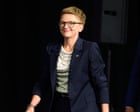
Labour Secures Commanding Victory in Greater Manchester Mayoral Byelection
The Labour Party has achieved a commanding victory in the Greater Manchester mayoral byelection, marking a significant political triumph in one of England's most important metropolitan areas. This decisive result demonstrates Labour's ability to recapture ground in key constituencies and reinforces the party's dominance in regional governance structures.
Bev Craig, the incumbent Manchester city council leader, emerged as the victorious candidate in the Greater Manchester mayoral byelection contest. Her success means she will now assume control of one of Britain's most influential political offices outside the Westminster Parliament, taking over the responsibilities previously held by Andy Burnham.
Recovery of Lost Territory and Strategic Gains
The outcome of the Greater Manchester mayoral byelection represents more than a simple electoral victory. Labour has successfully reclaimed numerous constituencies and electoral divisions that had shifted toward competing political movements during recent electoral cycles. This recovery is particularly significant in areas where Reform UK and the Green Party had previously registered notable gains during May's electoral contests.
The byelection results indicate that voters in Greater Manchester have reassessed their political preferences, returning to Labour after periods of supporting alternative parties. This pattern of recovery demonstrates the party's capacity to rebuild relationships with previously alienated electorate segments and consolidate support across diverse demographic groups within the metropolitan area.
Bev Craig's Background and Leadership Credentials
Bev Craig brings substantial administrative experience to her new position following the Greater Manchester mayoral byelection victory. As Manchester city council leader, she has overseen the governance of England's second-largest city and built a reputation for decisive executive action on local policy matters. Her election to the mayoral position represents a natural progression of her political career within Greater Manchester's governance structures.
The selection of Craig as Labour's preferred candidate for the Greater Manchester mayoral byelection reflected confidence in her ability to manage the complex responsibilities associated with the mayor's office. These responsibilities include overseeing regional development strategies, managing substantial municipal budgets, and coordinating policy initiatives across multiple local authorities within the metropolitan combined authority framework.
Succession and Continuity in Regional Leadership
Andy Burnham's departure from the mayoral position marks the conclusion of a significant era in Greater Manchester politics. Burnham had established himself as a prominent regional leader and national political figure during his tenure as mayor. The transition to Bev Craig represents both continuity and evolution within Labour's Greater Manchester mayoral byelection campaign strategy.
The mechanism of a byelection was triggered by Burnham's decision to step down from the mayoral role, allowing the Labour Party to present a new candidate to voters. The Greater Manchester mayoral byelection provided an opportunity for the electorate to make a fresh choice while maintaining party continuity and ensuring that political control remained within Labour's organizational structure.
Political Context and Electoral Significance
The results from the Greater Manchester mayoral byelection must be understood within the broader context of recent English electoral politics. The May elections had produced unexpected results in various constituencies, with voters experimenting with alternative political movements and expressing dissatisfaction with traditional governing parties.
The Greater Manchester mayoral byelection results suggest that these May election patterns may not represent permanent shifts in voter behavior. Instead, the byelection demonstrates that local electorates are capable of reassessing their political choices based on candidate quality, campaign messaging, and perceived leadership capability. The recovery of support for Labour in the byelection indicates that the party maintained underlying organizational strength and voter goodwill across the metropolitan area.
Future Implications for Greater Manchester Governance
Looking forward, Bev Craig's assumption of the mayoral office following her Greater Manchester mayoral byelection victory will shape regional policy priorities for years to come. As mayor, she will oversee critical issues including economic development, transportation infrastructure, housing policy, and public services coordination across the combined authority.
The Greater Manchester mayoral byelection victory positions Labour to advance its policy agenda at the regional level, implementing initiatives that reflect the party's priorities and responding to constituent demands. Craig's leadership will be instrumental in determining how Greater Manchester addresses contemporary challenges and capitalizes on opportunities for regional growth and prosperity.
Conclusion
The Greater Manchester mayoral byelection has delivered a decisive mandate to Bev Craig and the Labour Party, confirming the strength of their political position in one of England's premier metropolitan regions. The result reflects voter confidence in Labour's governance capabilities and represents a successful recovery of electoral ground previously lost to competing parties. As Craig assumes her new role, she carries the responsibility of leading Greater Manchester through forthcoming periods of significant economic and social change.