
Medical Exam Retake: Enhanced Security Measures for Indian Students After Paper Leak
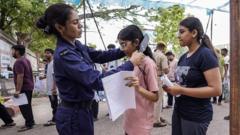
Medical Examination Retake Enforces Stringent Security Protocols
Following allegations of a significant paper leak, millions of Indian medical students are preparing for a comprehensive retake of a critical healthcare entrance examination. The medical exam paper leak incident has prompted authorities to implement unprecedented security measures designed to prevent any future breaches and ensure examination integrity. This mass reassessment represents one of the largest coordinated testing operations in the country's educational history, affecting candidates across multiple states.
Biometric Authentication and Physical Security Screening
To combat the medical exam paper leak crisis, examination authorities have introduced advanced biometric verification systems at all testing centers. Every participant entering examination halls must undergo mandatory fingerprint scanning and facial recognition checks before gaining access to test materials. These biometric checkpoints work in conjunction with traditional security measures, creating a multi-layered defense against unauthorized document access.
Beyond biometric technologies, physical security remains a cornerstone of the new protocol. All candidates are subject to comprehensive frisk searches conducted by trained security personnel stationed at examination venues. Personal belongings undergo thorough inspection, with electronic devices, bags, and clothing examined for concealed materials. This intensive screening process, while time-consuming, has been deemed necessary given the severity of the alleged paper leak and its potential impact on educational standards.
Air Force Deployment for Strategic Security Coverage
In an unprecedented move addressing the medical exam paper leak threat, the Indian Air Force has been mobilized to provide strategic security coverage across examination centers nationwide. Military personnel work alongside civilian security forces to establish secure perimeters around test locations and ensure the safe transportation of examination materials from printing facilities to individual centers. This military involvement underscores the gravity with which authorities view the breach and their commitment to preventing recurrence.
Air force units have established surveillance checkpoints at multiple strategic locations, utilizing specialized equipment to monitor movements around examination facilities. The deployment includes trained personnel responsible for verifying the authenticity of examination documents and preventing the distribution of unauthorized materials. Such military engagement in civilian examination security represents a significant escalation in protective measures against the medical exam paper leak incident.
Impact on Millions of Candidates
The comprehensive security overhaul affects an estimated 2.4 million candidates nationwide attempting to pursue careers in medical and allied healthcare fields. Each participant must allow additional time for entry procedures, creating longer queue times at examination centers. Candidates have been advised to arrive several hours before their scheduled examination slots to accommodate the enhanced security screening protocols.
The examination retake schedule has been strategically distributed across multiple days to manage the massive volume of test-takers while maintaining security integrity. State-level coordination ensures that each regional testing center operates according to identical security standards, eliminating potential vulnerabilities that could be exploited. Educational authorities have established dedicated helplines to address candidate concerns regarding examination procedures and security requirements.
Preventing Future Medical Exam Paper Leak Incidents
Beyond immediate security enhancements, systematic reforms address root causes of the medical exam paper leak. Printing facilities now operate under heightened surveillance with restricted access zones. Only personnel with verified clearances can enter material storage areas, and all staff members undergo background verification processes. Digital tracking systems monitor examination papers from production through distribution, creating comprehensive audit trails.
Technology plays an increasingly vital role in preventing another medical exam paper leak. Blockchain-based verification systems authenticate examination materials, while encrypted communication channels replace traditional document delivery methods for sensitive information. Question papers are generated using randomized algorithms that create unique versions for different testing centers, making large-scale circulation of leaked materials substantially more difficult.
Regulatory and Administrative Response
The medical exam paper leak has triggered comprehensive investigations by multiple governmental agencies, including the Central Bureau of Investigation and State Education Boards. Preliminary findings suggest involvement of internal examination board employees, leading to sweeping personnel reviews and mandatory integrity certifications for all staff members involved in examination administration.
Regulatory authorities have also increased penalties for examination fraud, establishing new legal frameworks specifically addressing document leaks and unauthorized material distribution. These legislative changes aim to serve as deterrents while simultaneously strengthening accountability mechanisms within examination-conducting institutions.
Conclusion
The large-scale retake examination following the medical exam paper leak demonstrates society's commitment to maintaining educational integrity and ensuring fair opportunities for all aspiring healthcare professionals. While the enhanced security measures impose temporary inconveniences, they represent necessary safeguards protecting the credibility of medical entrance examinations and ultimately the quality of healthcare education in India.