
Michigan Identifies Salad Greens as Likely Source of Parasite Outbreak
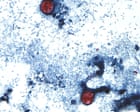
Michigan Health Officials Pinpoint Cyclosporiasis Outbreak Source
State public health authorities in Michigan announced on Monday that preliminary investigation findings have linked the expanding cyclosporiasis outbreak to contaminated lettuce and salad greens. The cyclosporiasis outbreak has affected thousands of residents across the state, prompting urgent action from the Michigan Department of Health and Human Services.
The parasitic infection, transmitted through contaminated produce, presents serious health consequences for affected individuals. The disease causes debilitating gastrointestinal symptoms including watery diarrhea, significant loss of appetite, and unintended weight loss among patients.
Investigation Details and Current Findings
The Michigan Department of Health and Human Services released an official statement confirming that their ongoing investigation into the cyclosporiasis outbreak has produced preliminary results. These early findings strongly suggest lettuce or salad greens serve as the primary contamination vector, though investigators emphasized the importance of continued surveillance and analysis.
Public health officials noted that while the evidence points toward leafy greens, the investigation remains active and comprehensive. Authorities have not completely ruled out other potential food sources that could contribute to the outbreak, maintaining a cautious approach to ensure thorough identification of all contamination routes.
Understanding Cyclosporiasis and Its Health Impact
Cyclosporiasis represents a significant public health concern due to its contagious nature and the severe symptoms it produces in infected individuals. The parasitic illness spreads primarily through the consumption of contaminated fresh produce, particularly vegetables consumed raw or lightly cooked.
Infected persons experience symptoms ranging from mild gastrointestinal discomfort to severe debilitating illness. The characteristic explosive diarrhea associated with cyclosporiasis can persist for weeks without proper treatment, leading to dehydration and nutritional deficiencies. Weight loss occurs as patients struggle with reduced appetite and fluid loss.
Food Safety Response and Protective Measures
The identification of salad greens as a potential contamination source has prompted Michigan health authorities to issue guidance regarding fresh produce handling. While investigations continue to narrow down specific products and distribution chains, officials recommend proper washing of all vegetables before consumption.
Consumers should maintain heightened awareness when purchasing lettuce and salad mixes from grocery stores and restaurants. The cyclosporiasis outbreak investigation has expanded to include tracing distribution networks to identify contamination points in the supply chain.
Outbreak Scale and Public Health Response
The scale of the cyclosporiasis outbreak affecting Michigan has necessitated a coordinated response from multiple public health agencies. State officials are working in conjunction with federal partners to identify the source, trace affected products, and prevent further transmission.
The parasite outbreak represents one of the most significant foodborne illness events in recent Michigan history. Authorities have established reporting mechanisms for suspected cases and are maintaining detailed surveillance data to track the outbreak's progression and identify new cases requiring medical intervention.
Continued Investigation and Future Recommendations
Michigan health officials emphasized that the cyclosporiasis outbreak investigation remains ongoing, with additional testing and epidemiological analysis underway. Further confirmation regarding the specific salad greens products and suppliers involved will emerge as evidence accumulates.
Residents experiencing symptoms consistent with cyclosporiasis, including persistent watery diarrhea and unexplained weight loss, are urged to seek medical attention promptly. Healthcare providers can perform diagnostic testing to confirm parasitic infection and recommend appropriate antiparasitic treatment options.
The investigation's progression will determine whether additional public health warnings become necessary and whether product recalls should be initiated to protect the broader population from the cyclosporiasis outbreak.