
Mounting Environmental Pressure Targets Port of Rotterdam Fossil Fuel Dependency
Legal Action Accelerates Green Port Agenda
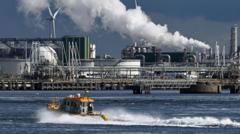
The Port of Rotterdam, Europe's largest and busiest maritime hub, faces mounting environmental pressure as legal challengers demand accelerated action regarding its fossil fuel dependency. This significant push represents a watershed moment for one of the continent's most critical industrial and commercial infrastructure facilities, signaling a broader shift in how major ports must address their environmental footprint and carbon emissions.
Emerging Environmental Challenges
The fossil fuel sector has maintained a substantial presence within Rotterdam's operations for decades, with energy companies and petroleum distributors utilizing the port's extensive facilities for import, export, and processing activities. However, growing environmental consciousness and climate commitments are reshaping expectations for how Europe's largest port conducts business and manages its future operational direction.
The Legal Framework Behind the Challenge
Plaintiffs initiating this legal challenge argue that the Port of Rotterdam must implement more aggressive timelines for reducing fossil fuel infrastructure development and operations. The lawsuit specifically targets what environmental advocates characterize as insufficient progress toward meaningful sustainability measures, demanding a comprehensive reassessment of the port's current strategic planning and investment priorities.
Port Operations and Economic Considerations
The Port of Rotterdam processes millions of containers annually and serves as a vital gateway for European trade networks. Its strategic location along the Rhine-Meuse Delta positions it as an essential node in continental commerce, with operations spanning petrochemical handling, container shipping, bulk cargo management, and liquid bulk facilities. The challenge now involves balancing these substantial economic functions with increasingly stringent environmental expectations.
Transitioning Fossil Fuel Dependent Sectors
The port's relationship with petroleum companies and fossil fuel operations extends deeply into its infrastructure, supply chains, and revenue models. Reducing this dependence requires not merely symbolic gestures but comprehensive restructuring of berths, storage facilities, pipeline systems, and logistics operations that currently serve these industries. Such transformation demands significant capital investment, regulatory navigation, and coordination among multiple stakeholders.
The Broader European Port Sustainability Movement
Rotterdam's situation reflects systemic pressures affecting major European ports seeking to align operations with the European Union's climate neutrality objectives and Paris Agreement commitments. Ports including Hamburg, Antwerp, and Barcelona increasingly face similar environmental demands as municipalities, environmental organizations, and legal advocates push for tangible decarbonization progress.
Stakeholder Expectations and Timelines
Environmental groups contend that voluntary sustainability measures have produced insufficient results, necessitating legal intervention to establish binding obligations and measurable targets. The lawsuit seeks to establish concrete milestones for reducing fossil fuel dependency, potentially including specific dates for phasing out petroleum-related activities and shifting toward renewable energy infrastructure and sustainable logistics solutions.
Economic and Environmental Trade-offs
Port authorities must navigate complex negotiations between maintaining economic competitiveness and meeting environmental obligations. Petroleum operations generate substantial revenue, employment, and tax contributions that fund port maintenance, modernization, and workforce development. However, environmental advocates argue that long-term sustainability requires accepting short-term economic adjustments and embracing alternative revenue streams through green industries and renewable energy logistics.
Investment in Alternative Infrastructure
Forward-looking port strategies increasingly emphasize hydrogen production facilities, wind energy infrastructure, battery manufacturing centers, and electric vehicle distribution hubs. These emerging sectors offer growth opportunities while reducing fossil fuel dependency, though they require extensive infrastructure development and workforce retraining initiatives.
Global Context and Competitive Advantage
European ports competing for international cargo traffic recognize that environmental leadership increasingly represents a competitive advantage. Shipping companies increasingly prefer ports demonstrating genuine commitment to sustainability, making fossil fuel independence a strategic business consideration rather than merely regulatory compliance.
The Role of Port Stakeholders
Terminal operators, shipping companies, logistics providers, and industrial users all influence port operational decisions. Coordinated action among these diverse stakeholders remains essential for successfully transitioning away from fossil fuel dependency while maintaining operational efficiency and economic viability.
Future Outlook and Resolution Paths
The legal pressure on the Port of Rotterdam may establish precedents affecting port operations throughout Europe. Potential outcomes include negotiated settlements establishing binding environmental targets, court-ordered operational changes, or establishment of independent oversight mechanisms ensuring accountability. Regardless of specific resolution approaches, the fundamental expectation remains clear: Europe's largest port must demonstrate tangible, measurable progress toward reduced fossil fuel dependency and enhanced environmental stewardship.