
Navy Opts for Drone-Armed Vessels Over Traditional Destroyer Replacement
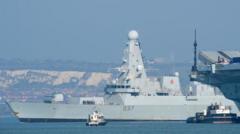
Strategic Shift in Naval Modernization
The Navy's latest strategic direction represents a significant departure from traditional naval doctrine, as decision-makers have chosen to prioritize the development of drone-equipped warships rather than proceeding with conventional replacement of aging destroyer fleets. This innovative approach to naval modernization reflects a broader commitment to integrating cutting-edge unmanned technology into maritime defense capabilities, fundamentally reshaping how naval forces will operate in future conflict scenarios.
Government officials announced that substantial funding will be allocated toward drone-equipped warships as part of the comprehensive defence investment plan set to be unveiled in the coming months. This decision signals a fundamental transformation in how the military approaches naval asset development and deployment strategies.
Why Drone Technology Over Traditional Destroyers
The rationale behind choosing drone-equipped warships centers on several critical advantages that unmanned vessels bring to modern naval operations. First, the operational flexibility of drone-based systems allows for expanded surveillance capabilities and increased response times to emerging maritime threats without putting personnel in direct danger. Second, the cost-effectiveness of developing and maintaining unmanned naval platforms presents a more economically sustainable approach to long-term defense spending.
Furthermore, drone-equipped warships can be rapidly deployed and configured for multiple mission types, from reconnaissance and intelligence gathering to tactical operations. This versatility contrasts sharply with the single-purpose design of traditional destroyers, which require extensive maintenance and personnel support structures that significantly increase overall operational expenses.
Impact on Naval Force Structure
The shift toward drone-equipped warships will fundamentally alter the composition and operational doctrine of the Navy's fleet architecture. Rather than maintaining large crews aboard conventional vessels, the Navy can distribute command and control functions across multiple locations, reducing vulnerability to localized threats and enhancing overall strategic resilience.
This modernization approach also addresses the challenge of crew recruitment and retention, a persistent issue affecting naval operations worldwide. By reducing the number of personnel required for vessel operations, the Navy can focus resources on specialized training for drone operators and maintenance technicians, creating a more highly skilled and adaptable workforce.
Defence Investment Plan Priorities
Within the broader defence investment framework, drone-equipped warships represent a priority investment that reflects evolving threat assessments and technological capabilities. The government's decision to allocate resources toward unmanned platforms demonstrates a commitment to maintaining naval superiority through technological innovation rather than merely expanding fleet numbers.
The defence investment plan emphasizes the integration of artificial intelligence and autonomous systems into naval operations, positioning the Navy to address 21st-century security challenges. This forward-thinking approach ensures that naval forces maintain tactical advantages even as adversaries develop increasingly sophisticated maritime capabilities.
Timeline and Implementation Strategy
Development of the drone-equipped warships is expected to proceed through multiple phases, beginning with initial prototypes and extensive testing protocols. The implementation strategy prioritizes gradual integration of unmanned systems while maintaining operational readiness across existing vessel platforms. This phased approach allows military planners to evaluate performance metrics and refine operational procedures before full-scale deployment.
Industry partnerships with defense contractors specializing in unmanned systems will accelerate the development process while ensuring that drone-equipped warships meet rigorous military specifications and performance standards. These collaborations between government agencies and private sector innovators promise to deliver cutting-edge maritime capabilities within realistic timelines and budgetary constraints.
Future Naval Warfare Implications
The adoption of drone-equipped warships signals a fundamental shift in how naval forces will conduct operations in the decades ahead. Unmanned platforms capable of extended surveillance, rapid response, and coordinated tactical maneuvers represent a quantum leap in maritime combat effectiveness. The Navy's commitment to this technology demonstrates recognition that future naval conflicts will increasingly depend on technological superiority and operational innovation.
By investing in drone-equipped warships now, the government positions the nation's maritime defense capabilities to address emerging threats while maintaining cost efficiency and strategic flexibility. This decision reflects pragmatic assessment of modern security challenges and demonstrates leadership's commitment to responsible defense spending that prioritizes capability over merely expanding fleet size.