
Netflix Wonka Series Criticized for AI-Generated Wilder Voice Inclusion
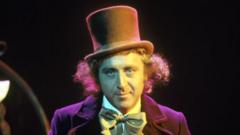
Netflix Wonka Series Draws Backlash Over AI-Generated Gene Wilder Voice
A controversy has emerged surrounding Netflix's decision to incorporate an AI-generated Gene Wilder voice in its Wonka television series, sparking considerable debate within entertainment circles and among viewers. The AI-generated Gene Wilder voice recreation marks a significant moment in the ongoing discussion about artificial intelligence's role in modern entertainment production, particularly when dealing with legacy performances and deceased performers.
Understanding the Voice Recreation Project
The streaming platform utilized advanced artificial intelligence technology to recreate the distinctive vocal characteristics of Gene Wilder, the legendary actor who originally brought Roald Dahl's eccentric chocolatier to life in the classic 1971 film "Willy Wonka & the Chocolate Factory." Wilder, who passed away in August 2016 at the age of 83, never had the opportunity to approve such technology during his lifetime, yet the decision to proceed with the AI-generated Gene Wilder voice proceeded with formal consent from his estate representatives.
Estate Approval and Legal Framework
The Wilder estate granted permission for Netflix to develop and implement the AI-generated Gene Wilder voice within the series, establishing a legal precedent for how deceased performers' likenesses and vocal characteristics might be utilized in future productions. This authorization represented a deliberate choice by family representatives to participate in this technological advancement, recognizing both the commercial potential and the cultural significance of such an endeavor.
Public Reaction and Ethical Concerns
Despite securing official approval, the implementation of the AI-generated Gene Wilder voice has generated substantial criticism from various stakeholders. Critics argue that using artificial recreations of deceased performers raises fundamental questions about authenticity, artistic integrity, and whether technology should replace human performance, even with proper authorization. Industry observers and fans have expressed concerns about the implications for future entertainment productions and the precedent being set within Hollywood.
The Broader Implications for AI in Entertainment
This decision by Netflix reflects the entertainment industry's growing experimentation with artificial intelligence technology. The use of AI-generated Gene Wilder voice in the Wonka series exemplifies how streaming platforms are exploring new technological frontiers while navigating the complex intersection of innovation, legacy preservation, and audience expectations. Other production companies are undoubtedly monitoring this situation closely, considering how similar technologies might be applied to their own projects.
Technical Achievements and Voice Authenticity
The technology employed to create the AI-generated Gene Wilder voice represents a significant achievement in voice synthesis and machine learning. Engineers and developers worked extensively to analyze Wilder's vocal patterns, accent, timing, and characteristic mannerisms to produce a believable recreation. The sophistication of modern voice generation technology has reached a point where audiences can discern artificial renderings, yet the results continue to improve with each new iteration.
Historical Context of Gene Wilder's Legacy
Gene Wilder's portrayal of Willy Wonka remains iconic in popular culture, establishing a standard against which all subsequent interpretations are measured. His unique comedic timing, warmth, and eccentricity defined the character for generations of viewers. Any attempt to recreate his voice necessarily invokes comparisons to his original performance and raises questions about whether technological reproduction can capture the essential qualities of his artistry.
Industry Standards and Future Precedents
The Netflix decision regarding the AI-generated Gene Wilder voice will likely influence how production companies approach similar situations in the coming years. Industry bodies and guilds may need to establish clearer guidelines regarding the use of deceased performers' likenesses and voices, balancing the interests of estates, creators, audiences, and the performers themselves. This moment represents an inflection point for how entertainment will evolve in the artificial intelligence era.
Looking Forward
As Netflix moves forward with the Wonka series featuring the AI-generated Gene Wilder voice, the project serves as a case study in modern entertainment ethics. Whether this approach ultimately proves successful or controversial will shape industry discussions about technological implementation, legacy preservation, and artistic authenticity for years to come. The intersection of artificial intelligence and entertainment remains uncharted territory, with Netflix's decision contributing valuable lessons to ongoing conversations about innovation and respect for established legacies.