
NHS Recommends PMOS Screening for Women with Menstrual Irregularities
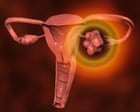
New NHS Guidance on PMOS Screening for Women with Irregular Periods
Recent updates from the National Health Service establish important recommendations for the identification and management of polyendocrine metabolic ovarian syndrome in women presenting with menstrual irregularities. The condition, previously referred to as polycystic ovarian syndrome, requires enhanced clinical attention according to new PMOS screening protocols released by healthcare authorities.
Approximately 4 million women in the UK who experience irregular periods should undergo thorough investigation to determine whether they have polyendocrine metabolic ovarian syndrome. This represents a significant shift in clinical practice, emphasizing the importance of early detection and proper diagnosis for this increasingly recognized condition.
Understanding Polyendocrine Metabolic Ovarian Syndrome
PMOS, the renamed terminology for what was previously known as polycystic ovarian syndrome, represents a complex endocrine disorder that affects reproductive-age women globally. According to data from the World Health Organization, this condition has an estimated prevalence of up to 13% among women of reproductive age, making it one of the most common endocrine disorders in this demographic.
The condition encompasses a range of metabolic and endocrine disturbances that extend beyond simple ovarian pathology. Women with polyendocrine metabolic ovarian syndrome often experience irregular menstrual cycles, which serve as a primary indicator prompting further clinical investigation and diagnostic evaluation.
Current Challenges in PMOS Diagnosis and Management
Healthcare organizations have identified significant gaps in how polyendocrine metabolic ovarian syndrome is currently diagnosed and treated across the NHS. The condition remains substantially underdiagnosed in many cases, with patients often experiencing delayed identification of their condition. Additionally, inconsistent management approaches have been documented, suggesting the need for standardized clinical guidelines and protocols.
The new PMOS screening recommendations aim to address these disparities by establishing clearer diagnostic pathways and management strategies. By implementing these guidelines, healthcare providers can ensure that women with irregular periods receive appropriate evaluation and that those confirmed to have the condition receive consistent, evidence-based care.
The Impact of Early PMOS Detection
Identifying polyendocrine metabolic ovarian syndrome early through appropriate PMOS screening can significantly improve patient outcomes. Women who receive timely diagnosis have better opportunities to access interventions that can help manage symptoms, reduce complications, and improve overall reproductive health.
The condition's multifaceted nature means that early detection allows healthcare teams to address not only the ovarian manifestations but also the associated metabolic and endocrine disturbances. This comprehensive approach supports better long-term health outcomes and quality of life for affected women.
Implementing NHS PMOS Screening Guidelines
Healthcare professionals across primary and secondary care settings are expected to integrate these new recommendations into their clinical practice. For women presenting with irregular periods, conducting appropriate screening for polyendocrine metabolic ovarian syndrome has become an essential component of gynecological assessment.
The guidelines establish clearer criteria for identifying candidates who should undergo investigation and outline the diagnostic procedures that healthcare providers should employ. This standardization helps ensure consistent care across different NHS facilities and regions.
Looking Forward: The Future of PMOS Management
The release of updated NHS guidance on PMOS represents an important step toward improving recognition and management of this prevalent condition. As healthcare systems implement these recommendations, more women with irregular periods will benefit from timely diagnosis and appropriate clinical interventions tailored to their specific needs and circumstances.