
Nobby Stiles: Brain Damage from Football Headers
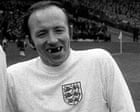
Coroner Rules on Nobby Stiles' Death from Brain Condition
A coroner has officially determined that Nobby Stiles, the legendary England midfielder and 1966 World Cup champion, died as a result of a brain condition directly linked to repeated heading during his football career. The determination came years after Stiles' passing in 2020, highlighting a significant gap in how the authorities initially handled the notification process regarding his death.
The 1966 World Cup Champion's Legacy
Nobby Stiles earned recognition as one of the most influential players in England's football history. His commanding presence in midfield during the 1966 World Cup victory made him an indispensable member of the squad that claimed the sport's greatest prize. Geoff Hurst, his teammate during that triumphant campaign, memorably described Stiles as the "heart and soul" of the championship-winning team. His aggressive, disciplined playing style and unwavering commitment to his team made him a fan favorite and a respected figure in English football.
Delayed Reporting and Investigation Process
What makes this coroner's ruling particularly significant is the fact that Stiles' death in 2020 was not promptly reported to the coroner's office by the relevant authorities. This administrative oversight meant that a formal investigation was not initiated at the time of his passing. The delayed reporting raised questions about how deaths potentially linked to occupational or lifestyle factors are handled within the system. Only through subsequent review was the connection between his football career and the brain condition established.
Understanding the Brain Condition Connection
The coroner's determination establishes a direct link between Stiles' decades-long career of repeatedly heading the football and the development of his brain condition. This finding aligns with growing medical evidence regarding the potential long-term effects of cumulative head trauma in football. Throughout his playing years, heading was a fundamental part of the sport, and protective measures were minimal compared to modern standards. Stiles participated in an era when the risks associated with repeated heading were not well understood or widely discussed in professional sports.
Implications for Football and Player Safety
The ruling in Stiles' case has prompted renewed discussions about player safety in football, particularly concerning head injuries and their long-term consequences. Medical professionals have increasingly studied the relationship between repetitive heading and conditions such as chronic traumatic encephalopathy and other neurodegenerative disorders. The coroner's official statement regarding Nobby Stiles' death serves as an important historical record, documenting one of football's most celebrated players and how his career may have contributed to his health decline.
Nobby Stiles' Career and Impact
Beyond his role in the World Cup victory, Stiles had a distinguished career at the highest levels of football. His tenacious defending and tactical intelligence made him a valuable asset throughout his professional years. Managers and teammates consistently praised his dedication and his ability to control the tempo of matches from midfield. His passing marked the end of an era for those who had watched English football's greatest triumph unfold on the pitch.
Moving Forward: Awareness and Prevention
The coroner's ruling on Nobby Stiles' death from a brain condition caused by repeatedly heading a football is expected to influence discussions about player welfare standards and medical protocols in professional sports. Current regulations and training methods now incorporate greater awareness of head injury risks, though debates continue about the adequacy of protective measures. The legacy of players like Stiles contributes to these evolving conversations about how to safeguard athletes while maintaining the sport's fundamental characteristics.