
Oil Tanker Threats in Middle East Reach Peak Levels Since Iran Conflict
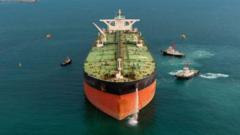
Oil Tanker Threats in Middle East Escalate to Historic Heights
Oil tanker threats in the Middle East have reached their most critical level since the beginning of hostilities involving Iran, according to maritime security specialists and industry analysts monitoring the region's volatile shipping corridors. The surge in incidents targeting commercial vessels has fundamentally altered the risk calculus for international shipping companies operating in strategically vital waterways.
The deteriorating security environment reflects a broader pattern of disruption that extends far beyond traditional piracy concerns. Attacks concentrated on alternative shipping routes have created unprecedented challenges for tanker operators navigating these congested and increasingly hostile waters. Industry observers note that the current threat landscape represents a qualitative shift in the nature of maritime risks, requiring comprehensive reassessment of navigation strategies and safety protocols.
Complex Shipping Environment Demands New Operational Strategies
The complexity surrounding oil tanker threats in the Middle East stems from multiple converging factors. Alternative routes that were previously considered safer options have become focal points for incidents, forcing shipping companies to recalibrate their operational decisions on a daily basis. Navigation choices that seemed straightforward mere months ago now require sophisticated risk analysis involving geopolitical intelligence, real-time threat assessment, and predictive modeling.
Impact on Global Energy Markets
The escalating tension directly impacts global energy supply chains. International oil companies and independent tanker operators face mounting pressure to ensure cargo delivery while managing unprecedented insurance costs and security expenses. The economic implications ripple through energy markets worldwide, as uncertainty surrounding Middle Eastern crude oil transportation fundamentally affects pricing mechanisms and supply reliability.
Maritime Security Infrastructure Under Strain
Regional naval forces and international maritime authorities struggle to maintain adequate protective coverage across multiple critical shipping lanes. The geographical expanse of vulnerable waters, combined with the increasing sophistication of threat actors, has created security gaps that conventional protection measures cannot adequately address. Commercial vessels operating independently report heightened vulnerability during transit through chokepoint areas where incidents cluster most frequently.
Analyst Perspectives on Escalating Risks
Security specialists emphasize that oil tanker threats in the Middle East have fundamentally transformed the risk profile for commercial shipping operations. The frequency and intensity of reported incidents suggest a deliberate strategy targeting critical energy infrastructure and global commerce rather than isolated, sporadic events. This pattern indicates sustained coordination among threat actors with significant resources and strategic objectives.
Experts examining shipping data note that alternative routes, which were promoted as mitigation strategies, have paradoxically become concentration points for incidents. The limited number of viable navigation corridors in regional geography means that attempts to avoid traditional dangerous zones merely relocate risks rather than eliminate them. Shipping companies must now factor in this counterintuitive dynamic when planning vessel movements.
Economic and Strategic Implications
The cumulative effect of persistent oil tanker threats in the Middle East extends beyond immediate safety concerns. Insurance premiums for vessels transiting the region have increased substantially, effectively adding a de facto security tax to energy costs. Some operators contemplate rerouting shipments through longer, alternative passages at significant cost disadvantage, reflecting the severity of perceived risks in the region.
Analysts warn that continued escalation could trigger fundamental restructuring of energy trade patterns, potentially reducing the economic viability of direct Middle Eastern crude exports and forcing investment in alternative infrastructure and supply sources. The geopolitical dimension amplifies these economic concerns, as maritime disruption becomes an instrument of regional competition and power projection.
Looking Forward: Mitigation and Prevention
Industry stakeholders and government representatives are engaged in ongoing discussions regarding enhanced protective measures and diplomatic initiatives. Coordinated international maritime patrols, improved intelligence sharing, and strengthened naval presence represent potential responses to the escalating threat environment. However, the effectiveness of such measures remains dependent on sustained commitment and adequate resource allocation from multiple nations.
The situation affecting oil tanker threats in the Middle East continues to evolve rapidly, requiring constant monitoring and adaptive responses from shipping companies, energy producers, and maritime security authorities. Stakeholders across the industry recognize that sustainable solutions will require addressing underlying geopolitical tensions while simultaneously implementing pragmatic near-term security enhancements to protect critical energy infrastructure and international commerce.