
Police Called Off Chase Seconds Before Fatal Dual Carriageway Crash
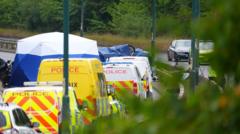
Watchdog Report Reveals Critical Timing in Fatality Investigation
A police pursuit fatal crash has become the subject of intense scrutiny following an official watchdog investigation that uncovered the precise sequence of events leading to the tragedy. According to the independent review, law enforcement officers terminated the high-speed chase approximately 10 seconds before the vehicle in question collided catastrophically on a dual carriageway, raising significant questions about pursuit protocols and emergency response procedures.
The incident unfolded when officers initiated a pursuit of a vehicle that subsequently traveled in the wrong direction down the dual carriageway, creating an extremely hazardous situation for both the vehicle's occupants and other road users. The decision to abort the police pursuit at such a critical juncture has become the focal point of the watchdog's comprehensive examination into the circumstances surrounding the fatal collision.
The Events Leading to the Tragedy
The sequence of events that culminated in this devastating outcome began when patrol units detected the vehicle and commenced pursuit operations. During the chase, the driver of the pursued vehicle made the dangerous decision to enter the dual carriageway traveling in the opposite direction to normal traffic flow. This action transformed an already risky situation into an exceptionally perilous one, significantly increasing the likelihood of a serious collision.
Officers monitoring the situation from a command and control perspective made the pivotal decision to terminate active pursuit measures. However, the timing of this critical decision—occurring merely seconds before impact—has raised substantial concerns about whether earlier intervention or different tactical approaches might have altered the tragic outcome. The watchdog investigation has meticulously documented these final moments, creating a detailed timeline of the events.
Watchdog Investigation Findings
The independent watchdog body conducting this investigation has taken on the responsibility of examining whether established pursuit policies were followed correctly by the responding officers. Their detailed report examines multiple aspects of the incident, including communication protocols, decision-making processes, and the adequacy of training provided to personnel involved in the pursuit.
Investigators have interviewed all relevant parties, reviewed radio communications, and analyzed data from patrol vehicles' systems to establish an accurate account of the police pursuit fatal crash. This comprehensive approach aims to determine whether existing procedures were sufficient to prevent the tragedy or whether systemic changes are necessary to protect public safety in future high-speed pursuit situations.
Questions About Police Pursuit Protocols
The 10-second window between the cessation of pursuit and the fatal collision has sparked considerable debate regarding the effectiveness of current police pursuit protocols. Safety experts and policymakers are now questioning whether officers possessed adequate information to make real-time decisions about continuing or terminating pursuit operations under these specific circumstances.
Police departments across jurisdictions are reviewing their own pursuit policies in light of this incident, recognizing that the narrow margin between the pursuit termination and impact raises important considerations about how quickly information is communicated and how rapidly tactical decisions can be implemented during emergency situations.
Impact on Road Safety and Public Confidence
This police pursuit fatal crash has reverberated through discussions about road safety and the balance between law enforcement operations and public protection. The dual carriageway where the collision occurred is now considered a high-risk zone, and traffic management officials are evaluating whether additional safety measures should be implemented.
The incident has also affected public confidence in police operations, with community members and advocacy groups calling for greater transparency regarding pursuit decisions and requesting comprehensive reviews of training standards for officers involved in high-speed operations. The watchdog's involvement demonstrates the commitment to accountability and thorough investigation of such serious incidents.
Ongoing Investigation and Future Implications
The watchdog continues to gather additional evidence and expert testimony as part of its broader investigation into the fatal collision. The findings from this case will likely influence how police forces nationwide approach pursuit decisions, risk assessment, and operational procedures in the future.
Recommendations emerging from this investigation are expected to shape policy modifications within police departments, potentially affecting how officers are trained, equipped, and authorized to conduct pursuit operations. The ultimate goal is to prevent similar tragedies while ensuring that law enforcement can effectively perform their duties to protect and serve the community.