
Power Bank Safety Tips for Air Travel: New Campaign Explained
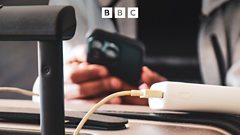
Understanding the New Power Bank Safety Campaign for Aircraft
Power bank safety on aircraft has become a critical concern for aviation authorities worldwide. A comprehensive new campaign is shedding light on the risks associated with portable battery devices during air travel, emphasizing the importance of checking regulations before your next check-in. This initiative represents a significant step forward in passenger education and flight safety protocols.
The campaign addresses growing concerns about power banks and portable chargers, which have become ubiquitous travel companions for modern passengers. Understanding power bank safety measures is essential for anyone who travels frequently by air, as these devices pose specific fire hazards when improperly packed or used onboard aircraft.
Why Power Banks Pose a Risk on Flights
Power banks contain lithium-ion batteries, which can be particularly hazardous in aircraft cabins due to the unique pressurization and environmental conditions at high altitudes. The Federal Aviation Administration and international aviation authorities have documented numerous incidents involving battery-related fires, prompting stricter regulations and enhanced safety awareness campaigns.
Lithium batteries can experience thermal runaway, a rapid, uncontrollable increase in temperature that can lead to fires. In the pressurized environment of an aircraft cabin, such incidents become exponentially more dangerous. This is why power bank safety regulations exist and why airlines enforce strict guidelines regarding their transport and usage during flights.
Current Restrictions and Regulations
Most airlines prohibit power banks from being packed in checked baggage, requiring instead that they be kept in carry-on luggage where they can be monitored. The new safety campaign emphasizes the importance of knowing your airline's specific power bank policies before arriving at the airport.
Passengers should verify:
- Maximum watt-hour capacity allowed (typically between 100Wh and 160Wh)
- Whether devices must be completely powered down during flight
- Specific carrier regulations, as policies vary between airlines
- Documentation requirements for higher-capacity devices
Practical Guidelines for Travelers
The campaign recommends several practical measures for air travelers carrying power banks. First, always pack your portable battery devices in your carry-on bag rather than checked luggage. This allows flight crew to address any issues immediately should they arise during flight.
Second, ensure your power bank is not damaged before traveling. Physical damage to the battery casing can compromise safety and may trigger restrictions at security checkpoints. Inspect your device thoroughly during your pre-trip check-in process.
Third, avoid using power banks during flight unless specifically permitted by your airline. Most carriers request that passengers refrain from charging devices once the aircraft is airborne, further reducing fire risk in the cabin.
Checking Before Check-In: Essential Steps
The phrase "check before check-in" encapsulates the campaign's central message. Before heading to the airport, passengers should:
Verify their specific power bank's specifications, including its watt-hour rating and battery chemistry. Contact their airline to confirm current power bank safety policies. Review TSA guidelines if traveling within the United States. Ensure their device is fully functional and free from physical defects. Consider whether they truly need the device for their specific journey duration.
International Perspectives on Power Bank Regulations
Different countries and aviation authorities maintain varying standards for power bank transport. The International Air Transportation Association provides guidelines, but individual nations may impose stricter requirements. European Union regulations, for instance, may differ significantly from North American standards.
Frequent international travelers must research regulations for each destination, as carrying a device acceptable in one country might violate restrictions in another. This complexity underscores why the new safety campaign emphasizes pre-travel verification.
Industry Response and Future Implications
Airlines and aviation authorities have embraced this enhanced power bank safety campaign as a proactive measure. By educating passengers about risks and regulations before they arrive at airports, carriers hope to reduce security screening delays and prevent dangerous incidents.
The campaign represents collaboration between multiple stakeholders, including airlines, regulatory agencies, and passenger advocacy groups. This unified approach strengthens aviation safety while maintaining passenger convenience and travel efficiency.
As battery technology continues evolving and portable devices become increasingly integral to travel, power bank safety campaigns will likely expand and adapt. Passengers should remain informed about emerging guidelines and recommend staying updated through official airline and TSA communications.
Conclusion: Making Air Travel Safer
Understanding power bank safety requirements is a simple but crucial responsibility for modern air travelers. By checking regulations before check-in, passengers contribute directly to safer skies for everyone onboard. The new safety campaign serves as a valuable reminder that preparation and knowledge significantly enhance travel safety and prevent potentially catastrophic incidents during flight.