
Removing Clutter: Low-Cost Strategy to Revive UK High Streets
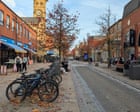
Affordable Solutions for High Street Revival
A comprehensive report from the urban thinktank Create Streets proposes that revive UK high streets requires strategic, cost-effective interventions rather than expensive large-scale projects. The research suggests that policymakers have overlooked practical, budget-conscious approaches that could transform struggling retail environments across Britain.
The persistent decline affecting town and city centres has challenged successive governments seeking sustainable solutions. However, emerging evidence indicates that revive UK high streets through targeted aesthetic and operational changes represents a viable alternative to substantial capital investments.
Understanding the Problem
Britain's retail landscape has experienced significant deterioration over the past decade. Multiple factors contribute to this decline, including changing consumer habits, e-commerce competition, and urban planning decisions. Traditional approaches involving multimillion-pound regeneration schemes have yielded mixed results, often failing to address fundamental issues that deter shoppers from visiting commercial districts.
The research from Create Streets identifies that many high streets suffer from visual disorder and traffic congestion, factors that negatively impact the pedestrian experience. By focusing on these specific challenges, communities can implement meaningful improvements without requiring substantial financial resources.
Strategic Removal of Visual Clutter
The thinktank's analysis emphasizes that unnecessary visual elements significantly detract from the appeal of commercial streets. Cluttered pavements filled with advertising boards, utility boxes, street furniture, and other obstructions create an unwelcoming environment for potential shoppers. Systematic removal of these elements would immediately enhance the aesthetic quality of public spaces.
This approach aligns with successful international examples where cities have undertaken similar initiatives. Streamlining the visual environment encourages people to spend time in town centres, increases dwell time, and ultimately boosts retail transactions. The implementation requires coordination between local authorities, businesses, and community stakeholders but remains financially accessible compared to traditional regeneration projects.
Reducing Vehicle Access and Expanding Pedestrian Spaces
Restricting automobile traffic represents another fundamental recommendation from the report. Many struggling high streets prioritize vehicle access despite evidence that pedestrian-focused environments encourage retail activity. By implementing car-free zones or reducing traffic flow during peak shopping hours, communities can reclaim valuable pavement space.
Expanded pedestrian areas create opportunities for outdoor seating, temporary markets, and community events. These enhanced public spaces become gathering points that attract visitors beyond traditional shopping motivations. The conversion of car-dependent streets into pedestrian environments requires minimal financial investment while generating substantial quality-of-life improvements.
Implementation and Long-Term Benefits
Successfully executing these recommendations involves collaborating with multiple stakeholders including local government, business associations, and residents. Create Streets emphasizes that small, incremental changes can accumulate into significant transformations that fundamentally alter how people perceive and use town centres.
The financial advantages of this approach are substantial. Rather than spending millions on infrastructure projects with uncertain returns, communities can allocate limited resources toward high-impact visual and operational improvements. This democratized approach to urban regeneration enables smaller towns with constrained budgets to implement meaningful revitalization strategies.
Real-World Implications for Retailers
Independent retailers and established commercial operators stand to benefit significantly from enhanced streetscapes. A more attractive, less congested environment naturally draws shoppers. Improved pedestrian flow and reduced visual clutter create conditions where consumers feel comfortable lingering, exploring different establishments, and making purchases.
The thinktank's findings suggest that successful high street revival depends less on massive capital expenditure and more on thoughtful, strategic planning. By addressing fundamental quality-of-life factors that influence where people choose to shop, communities can rebuild retail confidence and restore vitality to town centres across the United Kingdom.