
Romania Closes Nuclear Facility as Danube Water Levels Plummet
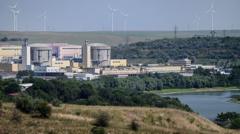
Romania's Critical Energy Situation Unfolds
The escalating drought across Central Europe has forced Romania to take unprecedented action regarding its energy infrastructure. Danube River water levels have reached critically low thresholds, compelling authorities to halt operations at the nation's singular nuclear facility. This significant development affects the country's power generation capacity as temperatures soar across the continent.
Impact on Electricity Supply
The Cernavodă nuclear complex stands as the backbone of Romania's electricity grid, accounting for approximately one-fifth of the country's total power generation. With Danube River water levels declining sharply due to prolonged heat waves, the facility cannot maintain safe operational standards. The shutdown represents a substantial challenge to Romania's energy security during a period when cooling demand is at its peak.
Timeline for Resumption Uncertain
Officials have indicated that restoration of normal operations at the nuclear installation remains unlikely for a minimum of ten days. This extended closure period creates a significant gap in the nation's power supply infrastructure during a time of maximum consumption pressure. The exact timeline depends entirely on precipitation patterns and whether Danube River water levels recover sufficiently to support cooling operations.
Broader European Energy Crisis
Romania's situation reflects a wider pattern emerging across Europe, where multiple nations face energy constraints due to environmental conditions. The combination of extreme temperatures and historically low water levels in major river systems has created unprecedented pressure on conventional power generation methods. Nuclear facilities, which depend on adequate water availability for cooling purposes, have become particularly vulnerable to these climatic extremes.
Economic and Environmental Considerations
The temporary halt of nuclear operations does not eliminate energy demand; instead, it forces reliance on alternative sources. Danube River water levels also impact hydroelectric generation capacity, creating a dual constraint on renewable energy production. This situation highlights the interconnected vulnerabilities of modern energy systems when confronted with significant environmental stress.
Precedent and Long-term Implications
Such shutdowns of nuclear facilities due to water scarcity represent rare occurrences in developed nations, underscoring the severity of current climatic conditions. The Cernavodă plant's closure signals how traditional power generation infrastructure faces new challenges in an era of climate variability. Future planning must account for extended periods where Danube River water levels may compromise cooling requirements.
Regional Energy Management
Romania's power deficit during this period may necessitate increased imports from neighboring countries or enhanced coordination across European electrical grids. The reduction in available electricity from the Cernavodă facility forces the nation to activate backup systems and potentially curtail non-essential consumption. Grid operators must carefully manage this shortage to prevent blackouts while Danube River water levels gradually normalize.
Conclusion
The temporary shutdown of Romania's nuclear power plant demonstrates the immediate consequences of prolonged heat and drought conditions affecting critical infrastructure. As Danube River water levels remain depressed, the country faces an energy challenge that extends beyond the nuclear sector. This situation serves as a cautionary indicator for European nations regarding climate resilience in power generation systems, particularly those dependent on water resources for cooling and hydroelectric production.