
Royal Navy Faces Critical Shortfall Against Arctic Threat
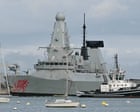
Parliamentary Defence Committee Raises Alarm Over Naval Capabilities
The United Kingdom faces a growing challenge in maintaining adequate Royal Navy resources to effectively counter potential Russian aggression in the Arctic region, according to urgent warnings from Members of Parliament on the defence select committee. This significant gap in military capacity represents a critical vulnerability in Britain's strategic defence posture in the High North, where geopolitical tensions continue to escalate.
Key Vulnerabilities in Naval Strength
The parliamentary inquiry has identified multiple concerning deficiencies within the Royal Navy's operational structure. The committee's analysis reveals troubling patterns in both the availability and quantity of essential naval assets required to maintain effective deterrence capabilities.
Submarine Deployment Challenges
One of the most alarming findings concerns the nation's attack submarine fleet. Reports indicate that during the summer period, all five Astute-class attack submarines were simultaneously undergoing maintenance in dock. This situation creates a dangerous window of vulnerability, leaving the United Kingdom without active deep-water strike capabilities during a period when enhanced Arctic presence is increasingly vital. The concentration of the entire submarine fleet in repair facilities raises serious questions about maintenance scheduling and resource allocation strategies.
Declining Frigate Numbers
Beyond submarine concerns, the Royal Navy resources situation is further complicated by the consistent decline in frigate availability. With fewer vessels in the fleet, each ship must undertake more demanding deployment schedules, reducing overall operational readiness and increasing strain on personnel and equipment. This reduction in surface combat capability directly impacts the ability to project power and maintain presence across multiple maritime zones simultaneously.
Recent Operational Evidence
The committee cited the recent deployment of HMS Dragon to Cyprus as a concrete example of the Royal Navy resources constraints affecting operational tempo. The slow deployment timeline for this mission vessel demonstrates how resource limitations translate into delayed responses to strategic requirements. When major naval assets require extended periods to reach designated operational areas, the nation's capacity to respond rapidly to emerging threats diminishes proportionally.
Strategic Implications for Arctic Defence
The High North represents an increasingly contested maritime domain. Russian military activities in Arctic waters have intensified, with expanded icebreaker capabilities, modernised submarine fleets, and expanded coastal defences all contributing to a more complex security environment. The parliamentary defence committee emphasises that Britain must maintain sufficient Royal Navy resources to credibly deter hostile intentions and protect national interests in these strategically vital waters.
Urgency of Modernisation Requirements
According to the committee's assessment, dramatic progress in addressing Royal Navy resources deficiencies must occur before the decade concludes. This timeline reflects recognition that current trajectories are unsustainable for maintaining credible defence capabilities. The committee's recommendation signals that incremental improvements are insufficient; transformative action is required to rebuild and sustain adequate naval power projection capabilities.
Broader Defence Implications
The shortfall in Royal Navy resources extends beyond vessel numbers alone. Personnel recruitment and retention challenges, training capacity limitations, and the time required to bring new vessels into service all compound the difficulties facing naval leadership. Addressing these interconnected challenges requires comprehensive strategy spanning personnel management, industrial capacity, and defence spending priorities.
The parliamentary warning about inadequate Royal Navy resources serves as a stark reminder that maintaining military deterrence requires sustained investment and planning. As global security challenges evolve, the committee's findings underscore the necessity of ensuring that Britain's naval capabilities remain adequate to protect national security interests and maintain stability in critical maritime regions like the High North.