
Russia's Monthly Troop Deficit Reaches 6,000 In Ukraine War
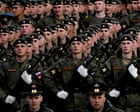
Russia's Escalating Manpower Crisis in Ukraine
Russia troop losses Ukraine continue to mount as Western military officials reveal a critical sustainability problem for Moscow's armed forces. According to recent assessments by Western defense analysts, Russia is experiencing a monthly deficit of approximately 6,000 soldiers—losses that significantly exceed the nation's current recruitment capabilities. This widening gap between casualties and new personnel acquisition represents one of the most pressing logistical challenges facing the Russian military operation.
Daily Recruitment Falls Short of Combat Losses
Despite maintaining an aggressive recruitment strategy, Russia's military establishment cannot adequately address the personnel hemorrhage occurring on the battlefield. Western officials confirm that Moscow continues to conscript approximately 1,000 new troops on a daily basis, translating to roughly 30,000 monthly recruits. However, this substantial intake proves insufficient when compared against the total casualty figures—both killed and seriously wounded—that the Russian armed forces sustain across Ukrainian territory.
The disparity became particularly pronounced during the most recent two-month assessment period, when casualty rates definitively outpaced recruitment efforts. This trend underscores a fundamental challenge that military analysts have anticipated: the mathematical impossibility of sustaining indefinite warfare without adequate personnel replenishment systems.
Understanding Combat Casualty Metrics
Russian military casualties in Ukraine encompass both fatalities and combat-related injuries requiring extended recovery periods. The distinction between these categories matters significantly for strategic planning, as wounded personnel often require months of rehabilitation before returning to active duty—if they return at all. Western intelligence assessments factor both categories into their calculations regarding overall manpower degradation.
Long-Term Implications for Russian Operations
The recurring monthly deficit of 6,000 troops carries profound strategic consequences for Russia's sustained military operations. Mathematically, this shortfall suggests that without fundamental changes to recruitment policies, casualty reduction strategies, or operational tempo, Russia faces an inevitable erosion of fighting strength. Over a twelve-month period, this translates to a potential loss of 72,000 personnel that cannot be replaced through current recruitment mechanisms.
Military strategists emphasize that while Russia possesses a substantial population base from which to draw recruits, the logistical infrastructure for training, equipping, and deploying new soldiers efficiently presents significant organizational constraints. Additionally, maintaining morale and recruitment enthusiasm becomes increasingly difficult as casualty reports proliferate and front-line conditions deteriorate.
Recruitment Strategy Adaptation
Moscow has experimented with various recruitment approaches to address mounting personnel challenges. These initiatives have included increased financial incentives for volunteers, expanded contract terms, and targeted recruitment campaigns in specific regions. However, even aggressive recruitment drives have struggled to match the attrition rates observed in active combat zones.
The sustainability question extends beyond mere numerical replacement. New recruits typically require weeks or months of training before achieving operational effectiveness comparable to experienced soldiers. This lag time creates additional complications for commanders attempting to maintain unit cohesion and combat readiness across multiple operational areas.
Western Military Assessment Framework
Western officials base their Russia troop losses Ukraine calculations on multiple intelligence sources, satellite imagery analysis, intercepted communications, and cross-referenced casualty reports. These assessments undergo continuous revision as new data emerges, though the general trajectory remains consistent: Russian forces cannot sustain current casualty rates indefinitely through existing recruitment mechanisms.
Military analysts note that this situation represents a critical juncture for Russian strategic planning. Leadership in Moscow must confront uncomfortable realities regarding the long-term viability of current operational approaches, whether through significant policy shifts, strategic repositioning, or potentially seeking negotiated resolutions to the conflict.
Conclusion: The Arithmetic of Attrition
The monthly deficit of 6,000 troops represents more than a statistical anomaly—it reflects fundamental constraints on Russia's capacity to wage sustained warfare. As Western officials continue monitoring Russian military casualties and recruitment patterns, the mathematics of attrition become increasingly apparent. Without substantial changes to current strategic approaches, Russia faces an inevitable degradation of fighting capability that will eventually impact operational effectiveness across all combat theaters in Ukraine.