
Russia's Torture Prison Officials Exposed by BBC Investigation
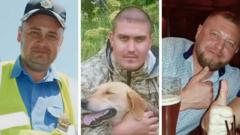
BBC Uncovers Russia's Torture Prison Operations in Ukraine
An extensive investigation by the BBC has brought to light the identities and operations of Russian jailers and officials allegedly running torture detention facilities across Ukraine. The probe specifically targets individuals overseeing Russia's torture prisons in Ukraine, with former detainees providing testimony regarding systematic abuse and inhumane treatment within these clandestine centres.
Testimonies from Former Detainees
Multiple former prisoners have come forward to recount their experiences within Russia's torture prisons in Ukraine, describing harrowing conditions and psychological torment. These individuals assert that they endured physical violence, sleep deprivation, and severe interrogation techniques while held in detention facilities controlled by Russian military and security personnel.
The accusations paint a picture of widespread mistreatment affecting numerous captives held during the ongoing conflict. Survivors emphasize that the abuse was not isolated incidents but rather systematic practices implemented as interrogation and punishment methods. Many detainees report sustained trauma that continues affecting their physical and mental health long after their release.
Identification of Perpetrators
The BBC investigation has successfully identified numerous jailers and administrative officials operating these facilities. Journalists conducted extensive research, cross-referenced documentation, and interviewed multiple sources to compile evidence connecting specific individuals to the torture centres. The investigation reveals organizational hierarchies within these detention operations, showing how authority flows from commanding officers down to individual guards.
Those identified include security personnel, military officers, and administrative officials responsible for overseeing daily operations. The investigation demonstrates that these operations were not random but rather structured facilities with clear command structures and documented procedures, suggesting institutional knowledge and approval at higher levels.
Demands for International Justice
Former prisoners and human rights advocates are calling for these individuals to face criminal prosecution in international courts. The victims argue that the alleged systematic torture constitutes war crimes under international humanitarian law and the Geneva Conventions. Legal experts consulted during the investigation suggest that substantial evidence exists for pursuing charges against those identified.
Advocacy groups emphasize that bringing perpetrators to justice serves multiple purposes: it provides accountability for victims, deters future abuses, and demonstrates that international law applies regardless of national borders or military conflict. Several former detainees have indicated willingness to testify in formal proceedings against their alleged torturers.
International Response and Implications
The BBC's revelations have prompted discussions among international observers regarding accountability mechanisms for alleged violations occurring during the Ukraine conflict. Various countries' governments have begun examining the investigation's findings, with some indicating potential support for independent international investigations.
Human rights organizations have praised the BBC for its investigative work, noting that identifying specific perpetrators strengthens possibilities for prosecution. They argue that documenting these allegations creates a historical record and may influence future peace negotiations, where justice and reconciliation issues typically feature prominently.
Systemic Abuse Allegations
Beyond individual cases, the investigation suggests that torture operations constitute systematic practices rather than isolated abuses. This distinction carries legal significance, as systematic torture can be classified as crimes against humanity. Detainees describe consistent procedures, similar facilities across different locations, and coordinated training of personnel, all indicating centralized planning and implementation.
The allegations encompass multiple detention sites across Ukrainian territory, suggesting a broader network of facilities rather than singular locations. This geographic distribution indicates organizational sophistication and resource allocation dedicated to maintaining these operations.
Documentation and Evidence
The BBC's investigation utilized various evidence sources including photographs, documents, testimony cross-examination, and satellite imagery analysis. Journalists employed multiple verification techniques to ensure accuracy and reliability of gathered information. The methodological rigor applied to the investigation aims to withstand legal scrutiny should evidence be presented in judicial proceedings.
Documentation includes prisoner statements detailing specific dates, locations, perpetrator descriptions, and methods employed. Video testimony provides visual records of survivors describing their experiences, lending credibility and emotional weight to allegations.
Path Forward for Justice
Legal experts indicate that the investigation provides groundwork for potential prosecutions through various avenues including the International Criminal Court, national courts, or hybrid tribunals. The identification of specific individuals removes abstraction from allegations, making prosecution logistically feasible. However, apprehension of accused individuals remains a significant practical challenge requiring international cooperation.
Former prisoners emphasize that justice matters profoundly for their healing process and for establishing accountability. They stress that documentation and prosecution signal that international norms protecting prisoners during conflict remain binding and enforceable, regardless of political circumstances or military strength of accused nations.