
Shipping Giants Reverse Course as Houthi Threats Escalate
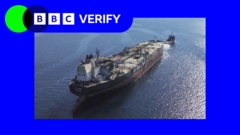
Houthi Shipping Threats Force Major Operational Changes
Commercial tanker operations are undergoing significant disruption as Houthi shipping threats intensify across critical Middle Eastern trade corridors. Real-time vessel tracking data demonstrates a widespread pattern of route modifications, with cargo ships redirecting away from established Saudi Arabian port approaches.
The escalating Houthi shipping threats have prompted immediate responses from major maritime operators worldwide. Ship-tracking information reveals that multiple tanker vessels originally scheduled to service or depart from Saudi ports have executed sharp course alterations, abandoning their initial trajectories in favor of alternative shipping lanes.
Comprehensive Route Modifications Across the Region
Intelligence gathered from maritime surveillance systems shows that all affected vessels were previously charted toward or away from important Saudi commercial harbors. The coordinated nature of these course corrections reflects growing industry concerns regarding maritime security in contested waters.
Operators have implemented preventive navigation strategies to minimize exposure to potential threats. These tactical adjustments demonstrate the serious impact that Houthi shipping threats continue to exert on international maritime commerce, forcing decision-makers to recalculate optimal transit pathways and associated operational costs.
Impact on Global Trade Infrastructure
The disruption extends beyond individual shipping companies, affecting broader supply chain networks dependent on stable Arabian maritime corridors. Tanker captains and fleet managers are receiving updated guidance regarding route selection, speed modifications, and enhanced security protocols while navigating sensitive regions.
Vessel rerouting creates downstream consequences for petroleum distribution, chemical transport, and specialized cargo operations. Companies relying on predictable scheduling must now accommodate extended transit times and increased fuel consumption associated with longer alternative routes.
Security Considerations and Operational Response
Maritime authorities have intensified coordination with commercial shipping entities to monitor developing situations. The Houthi shipping threats represent an ongoing challenge to freedom of navigation, prompting international stakeholders to evaluate long-term strategic alternatives for protecting vital trade arteries.
Shipping industry analysts observe that these course modifications indicate operators view the threats as credible and warrant immediate operational adjustments. Insurance premiums for high-risk regions continue reflecting heightened maritime uncertainty.
Future Outlook for Arabian Maritime Commerce
The persistence of Houthi shipping threats suggests that vessel operators will maintain heightened vigilance throughout affected waters. Strategic shipping lanes connecting Europe, Asia, and Middle Eastern markets remain sensitive to security developments that could trigger additional route modifications.
Commercial entities continue monitoring intelligence assessments while maintaining flexibility in operational planning. As maritime tensions evolve, tanker operators anticipate ongoing requirements for adaptive navigation strategies and enhanced risk management protocols.