
Solar Panel Plug-In Systems Arrive in Retail Stores Nationwide
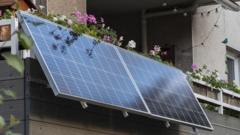
Plug-In Solar Panels Now Available at Local Retailers
Innovative plug-in solar panels are making their way into mainstream retail locations across the country, representing a significant shift in how homeowners can access renewable energy technology. These self-contained plug-in solar panels offer unprecedented convenience, allowing consumers to purchase and install solar solutions without the need for professional contractors or complex installation procedures. The UK government has indicated that plug-in solar panels could enable households to achieve substantial reductions in their energy bills.
Understanding Plug-In Solar Panel Technology
Plug-in solar panels represent a departure from traditional rooftop installation methods. These compact units feature integrated battery storage and inverter technology, allowing them to function as standalone energy generation systems. Unlike conventional solar installations that require permanent roof modifications and extensive wiring, plug-in solar panels can be positioned flexibly throughout a property, whether on balconies, patios, or garden spaces.
The technology behind these systems combines photovoltaic cells with smart connectivity features. Users can monitor energy generation and consumption through dedicated mobile applications, providing real-time insights into their renewable energy production. This transparency enables households to optimize their energy usage patterns and maximize the financial benefits of their solar investment.
Cost Savings and Energy Bill Reduction
According to government assessments, households utilizing plug-in solar panels can experience significant cuts to their annual energy expenses. The exact savings depend on several factors, including property location, weather conditions, seasonal sunlight patterns, and household energy consumption habits. Homes positioned in sunnier regions typically experience greater returns on their investment compared to properties in less sunny climates.
The cumulative effect of plug-in solar panels on domestic energy bills can prove substantial over extended periods. Early adopters report monthly bill reductions ranging from fifteen to forty percent, depending on system capacity and usage patterns. These figures demonstrate the genuine financial incentive driving residential solar adoption across the United Kingdom.
Environmental and Sustainability Benefits
Beyond financial considerations, plug-in solar panels contribute meaningfully to reducing residential carbon emissions. Each kilowatt-hour of solar energy generated replaces equivalent electricity that would otherwise come from fossil fuel-dependent power stations. Over a system's twenty to twenty-five year lifespan, a single residential installation can offset tonnes of carbon dioxide emissions.
The democratization of solar technology through retail availability accelerates the nation's transition toward sustainable energy infrastructure. Widespread residential solar adoption reduces strain on national grid capacity during peak demand periods, enhancing overall energy security and stability.
Retail Availability and Consumer Access
The introduction of plug-in solar panels into high street retail environments marks a pivotal moment in renewable energy accessibility. Previously, solar technology remained primarily the domain of specialized installers and dedicated renewable energy retailers. Mass-market availability through conventional retail channels removes traditional barriers to consumer adoption, including information gaps and procurement complexity.
Retailers stocking plug-in solar panels typically provide point-of-sale education and technical guidance, helping customers select appropriately sized systems for their specific requirements. This retail model democratizes renewable energy access across socioeconomic demographics previously underrepresented in solar adoption statistics.
Installation and Setup Considerations
One of the primary advantages of plug-in solar panels involves their straightforward installation process. Most units require only electrical socket connection, eliminating the need for scaffolding, roof access, or structural modifications. Homeowners can complete setup independently, though manufacturer guidelines should always be carefully followed to ensure optimal performance and safety compliance.
Positioning significantly influences system efficiency. South-facing orientations generally produce maximum output, though east and west-facing placements remain viable alternatives. Shading from trees, buildings, or other obstructions should be minimized to achieve peak energy generation potential.
Future Market Outlook
Industry analysts predict substantial growth in the plug-in solar panel sector as consumer awareness increases and technology improves. Anticipated developments include enhanced battery storage capabilities, increased efficiency ratings, and reduced manufacturing costs. These improvements will further strengthen the economic case for residential solar adoption while accelerating the timeline toward widespread implementation.