
Trump Abandons Hormuz Tariff Plan Amid US Naval Operations
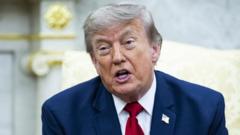
Trump Reverses Course on Hormuz Tariff Proposal
In a significant policy shift, the Trump administration has withdrawn its controversial proposal to impose a 20% Hormuz tariff on international cargo vessels transiting through the strategic waterway. This reversal comes just 24 hours after the initial announcement, as the United States intensifies its military presence in the region through sustained port blockade operations targeting Iranian maritime activities.
The dramatic policy correction regarding the Hormuz tariff reflects the administration's evolving approach to managing tensions in one of the world's most critical shipping corridors. Rather than implementing the controversial fee structure on commercial vessels, American officials have opted to escalate enforcement mechanisms through direct military intervention, marking a fundamental shift in enforcement strategy.
Context of US-Iran Maritime Tensions
The decision to abandon the Hormuz tariff proposal emerged amid escalating military posturing between Washington and Tehran. The United States has maintained a robust naval presence designed to counter what American officials characterize as destabilizing Iranian activities in the Persian Gulf region. These operations represent a continuation of decades-long strategic competition over maritime access and regional influence.
The Strait of Hormuz remains one of the world's most vital chokepoints for global energy supplies, with approximately one-fifth of international oil trade passing through its waters annually. This geographic significance has made the waterway a persistent flashpoint for geopolitical tensions, particularly between the United States and Iran.
Military Blockade Operations Continue
While abandoning the Hormuz tariff approach, the Trump administration has doubled down on military enforcement measures. US Navy vessels continue executing what officials describe as freedom of navigation operations, while simultaneously maintaining pressure on Iranian commercial shipping through targeted blockade strategies.
These military operations aim to disrupt what American policymakers view as Iran's attempts to expand regional influence through maritime commerce and military activities. The blockade of Iranian ports represents a more direct intervention than the previously proposed tariff mechanism, employing traditional naval power projection rather than economic instruments.
Economic Implications of Policy Reversal
The reversal of the Hormuz tariff proposal carries significant implications for international commerce. Global shipping companies had expressed considerable concern about the proposed fee structure, which would have dramatically increased transit costs through the strategic waterway. International business organizations warned that the Hormuz tariff would have created substantial complications for supply chain logistics and energy markets worldwide.
By abandoning this approach, the administration has avoided imposing direct costs on neutral commercial entities. However, the intensification of military blockade operations may create alternative disruptions to maritime traffic, potentially generating similar economic consequences through different mechanisms.
Strategic Shift in Regional Policy
The decision reflects broader strategic recalibration within the Trump administration's approach to Iran policy. Rather than implementing novel economic instruments like the Hormuz tariff, policymakers have returned to conventional military deterrence and enforcement strategies. This represents a preference for demonstrable military power over untested tariff mechanisms.
The continuation of port blockade operations underscores the administration's commitment to constraining Iranian maritime activities and economic capabilities. Military officials maintain that these operations are necessary to preserve regional stability and protect international shipping interests, though Tehran characterizes them as unlawful interference with legitimate commercial activities.
International Response and Future Outlook
Global maritime authorities and commercial shipping interests closely monitor developments affecting Hormuz tariff discussions and military operations in the region. The reversal of the tariff proposal has provided temporary relief to international commerce, though ongoing military operations continue presenting navigational challenges and insurance complications for vessels transiting the Strait.
Looking forward, the Trump administration's approach appears focused on maintaining military pressure rather than implementing novel tariff mechanisms. Whether this strategy will ultimately achieve stated policy objectives regarding Iranian maritime activities remains subject to considerable debate among regional analysts and international relations experts.