
Trump Administration Eyes AI Security Controls Following OpenAI Breach
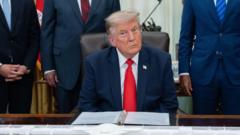
Trump Administration Shifts Direction on Artificial Intelligence Oversight
The Trump administration has begun evaluating AI security controls in response to recent cybersecurity breaches affecting OpenAI, marking a notable departure from its previously permissive regulatory stance toward emerging technologies. This policy recalibration reflects growing concerns about protecting critical artificial intelligence infrastructure from unauthorized access and malicious actors.
From Deregulation to Strategic Intervention
The administration's evolving position on AI security controls represents a substantial change in approach. Previously, the government maintained a distinctly hands-off philosophy, believing that market forces and industry self-regulation would sufficiently address technological development and deployment challenges. However, recent security incidents involving prominent AI platforms have prompted reconsideration of this laissez-faire framework.
Officials within the administration now recognize that certain categories of artificial intelligence systems warrant heightened scrutiny and protective measures. This recognition stems from understanding that large-scale AI platforms process sensitive data, support critical operations, and increasingly influence national security considerations.
Understanding the OpenAI Security Incidents
The specific breaches at OpenAI serve as a catalyst for this policy reevaluation. These incidents exposed vulnerabilities within systems that numerous government agencies, private enterprises, and research institutions depend upon for various applications. The compromises raised immediate questions about data protection, system integrity, and the potential for adversarial exploitation of artificial intelligence capabilities.
Security experts and policy analysts have highlighted how such breaches could facilitate unauthorized access to proprietary algorithms, training data, and system architectures. These concerns extend beyond individual organizations to encompass broader national security implications, particularly as artificial intelligence becomes increasingly central to military, defense, and intelligence operations.
Emerging Framework for AI Governance
The administration's consideration of formal AI security controls suggests development of a more structured regulatory framework. This framework would likely establish baseline security requirements, incident reporting obligations, and vulnerability disclosure protocols for companies operating significant artificial intelligence systems.
Potential regulatory measures could include mandatory security certifications, regular audits of AI infrastructure, and requirements for companies to maintain robust cybersecurity protocols. Additionally, officials may pursue enhanced information-sharing arrangements whereby private sector entities report security threats to federal agencies proactively.
Industry Response and Stakeholder Perspectives
The technology sector has expressed mixed reactions to potential government intervention in AI security controls. Some companies welcome federal coordination on security standards, viewing unified requirements as preferable to fragmented state-level regulations. Others express concern that overly prescriptive federal mandates could stifle innovation and create compliance burdens that disadvantage smaller firms relative to established technology giants.
AI researchers and development teams generally support security-focused policies while cautioning against regulations that might impede legitimate research or competitive advancement. The delicate balance between fostering innovation and implementing protective measures remains a central tension in ongoing policy discussions.
National Security Considerations
Beyond cybersecurity fundamentals, the administration's interest in AI security controls reflects broader national security strategy. Artificial intelligence capabilities represent significant competitive advantages in technological, economic, and military domains. Protecting these capabilities from foreign intelligence services, state-sponsored actors, and criminal organizations has become a paramount concern.
Officials recognize that artificial intelligence systems increasingly support critical infrastructure, financial systems, and defense capabilities. Ensuring the integrity and security of these systems directly impacts national resilience and strategic positioning in international technology competition.
Timeline and Implementation Prospects
The administration has not yet announced specific timelines for implementing formal AI security controls, nor has it released detailed policy proposals. Preliminary discussions suggest that comprehensive regulatory frameworks could require several months to develop, involve extensive stakeholder consultation, and undergo internal review before public announcement.
Given the complexity of artificial intelligence systems and the necessity of balancing multiple policy objectives, formal implementation of security controls may occur through executive orders, agency regulations, or legislative proposals introduced to Congress.
Looking Forward: Policy Implications
The potential adoption of formal AI security controls signals a maturing government approach to artificial intelligence governance. Rather than maintaining absolute deregulation or pursuing comprehensive restrictions on AI development, the administration appears to be pursuing targeted interventions focused on specific security vulnerabilities and national security concerns.
This measured approach acknowledges both the technological importance of artificial intelligence and the genuine risks posed by inadequate security protocols. As artificial intelligence systems become increasingly sophisticated and consequential, establishing clear security standards and accountability mechanisms becomes increasingly important for protecting national interests and public trust in emerging technologies.