
Trump Warns of U.S. Strikes on Iran's Infrastructure Over Hormuz Attacks
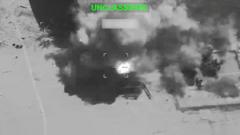
Trump Threatens U.S. Military Response to Strait of Hormuz Incidents
Former President Donald Trump has escalated rhetoric regarding potential U.S. military actions, warning that American forces will target critical Iranian infrastructure if attacks on commercial vessels in the Strait of Hormuz continue. The Trump administration's hardline stance on Strait of Hormuz attacks represents a significant shift in regional security policy, emphasizing direct consequences for any hostile actions against international shipping in this vital waterway.
According to Trump's statements, the United States maintains a zero-tolerance approach toward Iranian military operations targeting merchant vessels navigating through the strategic chokepoint. Trump indicated that the U.S. will execute immediate and proportionate responses whenever Iranian forces engage in hostile activities against ships transiting the Strait of Hormuz.
Specific Infrastructure Targets Under Threat
The former president explicitly mentioned that potential U.S. military operations would focus on Iran's bridge infrastructure and electrical power generation facilities. This targeting approach represents a significant escalation, moving beyond naval and military responses to include critical civilian infrastructure vital to Iran's economy and daily operations.
Trump's warning encompasses both the country's transportation networks and its energy infrastructure, suggesting a comprehensive strategy designed to impose substantial economic and logistical consequences on the Iranian government. The threat to disable bridges would disrupt internal transportation networks, while attacks on power plants would cripple electricity distribution across the nation.
Strategic Importance of the Strait of Hormuz
The Strait of Hormuz serves as one of the world's most critical maritime chokepoints, with approximately one-third of global seaborne petroleum trade passing through its narrow waters annually. The strategic significance of this waterway makes it a focal point for geopolitical tensions between the United States and Iran, with both nations maintaining substantial military presence in the region.
Security concerns in the Strait of Hormuz have escalated periodically, with incidents involving Iranian Revolutionary Guard Corps vessels and international shipping creating ongoing tensions. The waterway's importance to global energy markets ensures that any disruptions receive immediate international attention and concern from major trading partners worldwide.
International Maritime Security Implications
Trump's warnings regarding potential military strikes underscore the broader context of maritime security challenges in the Persian Gulf region. The threat of U.S. intervention aims to deter Iranian military activities that could threaten commercial shipping and destabilize global energy markets dependent on reliable transit through the Strait of Hormuz.
The Trump administration's approach signals a commitment to maintaining freedom of navigation and protecting American interests in the region. This strategy reflects broader U.S. foreign policy objectives concerning Iran, particularly regarding nuclear proliferation and regional influence expansion.
Response Framework and Escalation Dynamics
Under Trump's proposed framework, any Iranian military action targeting vessels in the Strait of Hormuz would trigger immediate U.S. military retaliation. This tit-for-tat escalation model aims to establish clear deterrence through the certainty of consequences rather than through diplomatic negotiations or incremental responses.
The explicit nature of Trump's threats distinguishes this approach from previous administrations' more measured responses to regional incidents. By naming specific infrastructure targets, the former president communicates precise consequences intended to influence Iranian decision-making and reduce the likelihood of provocative military actions.
Regional Security and Economic Concerns
Beyond immediate military considerations, the potential for strikes against Iranian infrastructure raises significant concerns about regional stability and economic disruption. Global energy markets react sensitively to any suggestion of conflict in the Persian Gulf region, given the area's dominance in international petroleum production and export.
Trump's statements reflect frustration with what the administration characterizes as consistent Iranian aggression and destabilizing activities in the region. The warning serves both as a deterrent against future attacks and as a policy announcement signaling the administration's willingness to escalate military confrontation if diplomatic or economic measures prove ineffective.
The Strait of Hormuz attacks persist as a significant challenge to international maritime security, requiring coordinated international responses and clear deterrence signals from major naval powers. Trump's unambiguous threat represents a maximalist approach designed to prevent future incidents through the certainty and severity of promised military consequences.