
Trump's Economic D-Day Strategy: What Impact Could It Have on Iran?
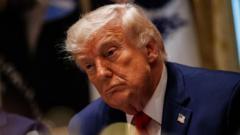
Understanding Trump's Economic D-Day Approach
The Trump administration's proposed 'economic D-Day' represents a significant shift in how the United States approaches its relationship with Iran. This comprehensive economic strategy aims to intensify pressure on Tehran through coordinated financial measures designed to constrain the Iranian regime's access to international markets and resources. Trump's economic D-Day strategy has become a focal point of international economic policy discussions, raising questions about its effectiveness and potential consequences for the region.
The core premise behind this initiative centers on implementing sweeping economic restrictions that would fundamentally alter Iran's trading relationships and financial infrastructure. Unlike previous incremental sanctions regimes, this approach seeks to create a unified, coordinated pressure campaign that limits Tehran's economic flexibility and access to critical resources.
Iran's Historical Resilience Against Sanctions
Throughout the past several years, Iran has demonstrated considerable sophistication in navigating complex international sanctions frameworks. The Iranian government has developed elaborate networks and mechanisms specifically designed to circumvent trade restrictions, maintain economic activity, and preserve access to essential goods and services.
Tehran's track record reveals a pattern of innovation and adaptation. Iranian officials have cultivated relationships with sympathetic nations, established alternative trading routes, and utilized intermediaries to conduct business outside the direct purview of Western sanctions regimes. These strategies have allowed the country to maintain certain economic functions despite substantial financial pressure.
Potential Economic Vulnerabilities
Despite Iran's demonstrated capacity to work around sanctions, Trump's economic D-Day strategy presents unprecedented challenges to the Iranian government's ability to maintain economic stability. Several structural vulnerabilities could amplify the impact of such comprehensive measures.
Currency and Banking System Pressures
The Iranian currency has already experienced significant volatility due to existing sanctions. Additional restrictions on international banking relationships could severely restrict Iran's ability to conduct foreign trade and access international financial markets. This would directly impact private businesses, government institutions, and ordinary citizens dependent on foreign goods and services.
Energy Sector Implications
Iran's oil and natural gas industries represent crucial sources of government revenue. Stricter enforcement mechanisms combined with broader sanctions could further constrain Iran's ability to export these commodities, directly reducing state income and limiting resources available for essential services and economic development.
Supply Chain Disruptions
Manufacturing and agricultural sectors depend heavily on imported components and materials. Tighter restrictions would disrupt these supply chains, creating scarcity of critical goods and potentially triggering inflation that affects ordinary Iranians most severely.
Iran's Likely Countermeasures
Iranian policymakers understand the potential severity of Trump's economic D-Day approach and have likely begun developing contingency plans. Historical precedent suggests several probable responses.
The Iranian government may accelerate efforts to deepen economic integration with alternative partners, particularly China and Russia. These nations have demonstrated willingness to maintain economic relationships despite international pressure, making them natural alternatives for trade and investment.
Additionally, Tehran might pursue cryptocurrency and alternative payment systems to circumvent traditional banking restrictions. Such digital solutions could enable transactions beyond conventional international financial monitoring systems.
Regional and Global Implications
The implementation of Trump's economic D-Day strategy would extend beyond bilateral United States-Iran relations. The approach carries significant implications for regional stability, global energy markets, and international commerce.
Increased economic pressure could destabilize the Iranian government or trigger unpredictable geopolitical responses. A desperate regime facing severe economic constraints might pursue more aggressive regional policies or accelerate sensitive technological programs as compensation for economic losses.
Assessment of Strategy Effectiveness
Evaluating whether Trump's economic D-Day strategy would achieve desired outcomes requires examining both immediate and long-term consequences. While comprehensive sanctions would undoubtedly impose severe costs on the Iranian economy, the strategy's effectiveness depends on several critical factors.
International cooperation proves essential for maximizing impact. If major trading partners refuse to participate in enforcement mechanisms, Iran could circumvent restrictions through alternative channels. Conversely, coordinated global compliance could substantially amplify pressure on Tehran.
The Iranian government's ideological commitment to maintaining independent sovereignty suggests that economic pressure alone may not produce policy changes that Washington seeks. Instead, crushing sanctions might entrench hardline factions and reduce influence of reformist voices within Iran's political system.
Humanitarian Considerations
Implementation of Trump's economic D-Day approach would carry significant humanitarian implications for ordinary Iranian citizens. Comprehensive sanctions typically affect vulnerable populations—including the poor, elderly, and those dependent on government services—most severely.
Medical shortages, reduced access to essential pharmaceuticals, and limited healthcare resources would likely emerge from sustained economic pressure. These consequences extend beyond political calculations into the realm of human suffering and international humanitarian concerns.
Conclusion
Trump's economic D-Day strategy represents an ambitious attempt to reshape international pressure on Iran through comprehensive economic measures. While such an approach could inflict substantial damage on Iran's economy, the actual impact would depend on implementation details, international cooperation levels, and the Iranian government's adaptive capacity. Iran's historical ability to navigate around sanctions demonstrates resilience, yet the scope and intensity of Trump's proposed strategy presents genuine challenges unlike previous regimes. Success ultimately depends on whether coordinated international pressure can overcome Iran's established networks and alternative partnerships.