
Trump's Influence Shapes NATO's European Rearmament Strategy
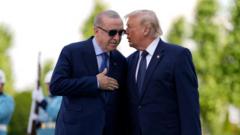
Trump's Presence Weighs on NATO's Rearmament Agenda
Trump's controversial statements continue to cast a significant shadow over NATO discussions as the alliance grapples with the complex challenge of strengthening European military defenses. The polarizing rhetoric from the US president has created friction at this pivotal summit, where NATO members must address critical gaps in continental security infrastructure and weapons capabilities.
Security Challenges Dominating the Summit
The NATO gathering represents one of the most consequential meetings in recent alliance history, as member states confront mounting pressure to increase defense expenditures and modernize their armed forces. Security analysts emphasize that Trump's unpredictable positions on transatlantic commitment have injected uncertainty into deliberations that demand clarity and consensus.
The Rearmament Imperative for Europe
European nations face unprecedented pressure to shoulder greater responsibility for their own defense capabilities. The continent must invest substantially in advanced weapons systems, intelligence infrastructure, and military personnel training. This rearmament effort extends beyond simple budget increases; it requires comprehensive strategic planning and long-term commitment to modernization initiatives that span the next decade.
Tensions Between Unity and Uncertainty
The contrast between NATO's stated objective of unified action and the discord introduced by Trump's inflammatory language represents a fundamental challenge to alliance cohesion. Member states struggle to develop coordinated responses to security threats while navigating the unpredictability of the Trump administration's foreign policy stance. Senior military officials express concern that such divisions could undermine the credibility of collective defense arrangements.
Financial Commitments and Military Capabilities
NATO members must establish binding commitments to defense spending that exceed current thresholds. Countries including Poland, the Baltic nations, and Nordic states have already increased military budgets substantially. However, many Western European powers lag behind these benchmarks, creating imbalances in collective capability and exposing vulnerabilities in the alliance's defensive posture across critical regions.
Trump's Rhetoric and Its Strategic Implications
The president's statements questioning American commitment to NATO's Article 5 collective defense clause have prompted serious strategic recalculations among European leaders. These pronouncements, delivered during a gathering meant to reinforce partnership, have created a paradoxical situation where European nations must simultaneously maintain alliance discipline while preparing contingencies for potential American withdrawal or reduced commitment.
The Path Forward for Allied Defense
NATO's leadership recognizes that overcoming current obstacles requires concrete steps beyond rhetoric. This includes establishing standardized equipment protocols, enhancing interoperability between armed forces, and creating robust supply chains for military production. European industrial capacity must expand to reduce dependence on American military support and technology, even while maintaining strong transatlantic cooperation.
Critical Assessment by Security Experts
Correspondents and security analysts covering the summit note that Trump's presence, while not physically dominating discussions, intellectually shapes every conversation about defense spending and strategic priorities. The unpredictability surrounding potential changes to American foreign policy creates an environment where European leaders must hedge their strategic bets, investing more heavily in autonomous defense capabilities while hoping to preserve the transatlantic partnership that has anchored European security for generations.