
Trump's New Tariffs Spark Trade War as Carney Warns of 'Miscalculation'
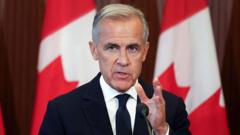
Trump's Tariffs Escalate Tensions in Trade War
Trump's tariffs have become a central point of contention in ongoing bilateral trade disputes, with international leaders expressing serious concerns about the administration's approach. Canada's prime minister has characterized the situation as a troubling development that requires immediate countermeasures to protect national interests and the broader economy.
The escalation marks a significant turning point in diplomatic negotiations between the two nations. Trump's tariffs were announced unilaterally, catching trading partners off guard and forcing defensive economic responses. The move represents what critics view as a miscalculation in trade strategy, one that threatens to destabilize relationships built over decades of commercial cooperation.
Reluctant Announcement of Retaliatory Measures
Canada's leadership has reluctantly moved forward with implementing retaliatory tariffs in response to the American measures. This decision did not come lightly, as officials emphasized their preference for negotiated solutions over trade confrontation. The reluctance underscores the gravity of the situation and the complexity of responding to unilateral tariff actions.
The retaliatory tariffs target specific sectors of American commerce, carefully selected to maximize pressure while minimizing unnecessary harm to Canadian consumers. Trade officials spent considerable time analyzing which products would generate the most significant negotiating leverage without causing disproportionate domestic economic damage.
Accusations of Trade War Initiation
Canadian officials have directly accused the United States of initiating what amounts to a trade war through its tariff strategy. This characterization reflects frustration with the breakdown of formal negotiations and the perceived shift toward aggressive unilateral action. The accusation carries significant diplomatic weight, signaling a departure from collaborative problem-solving approaches.
The trade war narrative gained momentum as communication channels between negotiators deteriorated. What began as disagreements over specific tariff rates and trade imbalances evolved into a broader confrontation over fundamental trade principles and economic sovereignty. Both sides now frame their actions as defensive responses to the other's aggression.
Collapse of Trade Negotiations
Recent talks between American and Canadian negotiators ended without producing any agreements or pathways forward. The failure of these discussions proved critical in prompting the announcement of Trump's tariffs and Canada's subsequent retaliation. Officials from both countries cited fundamental disagreements over the scope and structure of any potential trade deal.
The negotiation breakdown stemmed from conflicting priorities regarding agricultural products, automotive manufacturing, and intellectual property protections. Canadian representatives insisted on maintaining existing trade frameworks in key sectors, while American negotiators demanded substantial restructuring of commercial relationships. These incompatible positions created an impasse that neither side could overcome.
Economic Implications and Future Outlook
Trump's tariffs carry substantial implications for both national economies and broader regional commerce. Business leaders in Canada have expressed concern about increased costs, supply chain disruptions, and potential job losses in affected industries. Manufacturers relying on integrated North American production networks face particular uncertainty regarding their operational strategies.
The retaliatory tariffs announced by Canada present similar challenges for American businesses, particularly those exporting agricultural products and industrial goods. Trade associations have warned of cascading economic effects that could harm consumers through higher prices and reduced product availability.
Looking forward, the possibility of resolving this trade conflict hinges on whether negotiators can restart discussions and identify common ground. International trade experts warn that prolonged tariff disputes typically result in mutual economic losses that extend beyond the directly affected industries. Both governments face pressure from business communities and labor organizations to seek negotiated resolutions.
Diplomatic Fallout and International Response
The trade conflict has generated significant attention from other trading nations, many of which face their own concerns about American tariff policies. International organizations have called for restraint and renewed commitment to negotiated solutions within established trade frameworks.
Canada's firm response to Trump's tariffs signals that the nation will not accept unilateral economic pressure without consequence. This stance may influence how other countries respond to similar American tariff actions, potentially creating a broader pattern of retaliatory measures that could destabilize international commerce.