
Tupac Murder Suspect Claimed Nephew Fired Fatal Shots in 2008 Police Interview
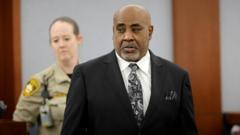
Tupac Murder Suspect's 2008 Police Statement Revealed in Court
A significant development in the decades-long investigation into rapper Tupac Shakur's death has emerged as a Tupac murder suspect allegedly admitted during a 2008 police interview that his nephew was responsible for firing the fatal shots. The recording of this critical interview was presented to jurors as pivotal evidence in the ongoing legal proceedings surrounding one of hip-hop's most infamous unsolved cases.
The Recorded Interview Evidence
During the trial, detectives played a recorded interview featuring statements from the defendant regarding his knowledge of the shooting incident. The Tupac murder suspect reportedly detailed his account of events to investigators, claiming that a family member executed the shooting that resulted in Shakur's death in 1996. This recorded testimony has become a cornerstone of the prosecution's case, offering direct insight into the suspect's own narrative of the incident.
Key Details from the Police Investigation
The interview recording captured detailed exchanges between law enforcement officials and the suspect, documenting claims about the involvement of his nephew in the fatal shooting. Investigators pursued multiple lines of questioning to establish a timeline of events and identify individuals present at the scene. The Tupac murder suspect's statements regarding family involvement provided authorities with new investigative leads decades after Shakur's untimely death in Las Vegas.
Implications for the Tupac Shooting Investigation
This revelation marks a significant turning point in what has long been considered one of the most challenging cold cases in American criminal history. The Tupac shooting investigation had remained stalled for years without concrete leads or arrests, making any new testimony from a credible source potentially transformative for the case's progression. The defendant's willingness to provide details about his nephew's alleged involvement suggests possible internal family knowledge of the crime's circumstances.
The Trial Proceedings and Courtroom Presentation
During courtroom testimony, the recorded interview was methodically presented to allow jurors to hear the suspect's own words and assess the credibility of his account. Legal teams analyzed his statements for consistency, possible motives, and corroborating evidence that might substantiate or contradict his narrative. The presentation of such recordings has become standard practice in modern criminal trials, allowing jurors to form their own judgments about witness reliability and truthfulness.
Understanding the Historical Context
The hip-hop murder case has captured public attention for nearly three decades, with various theories and claims emerging throughout the years. Tupac Shakur, one of the most influential rappers of his era, was fatally shot in a drive-by shooting in Las Vegas on September 7, 1996. The case remained officially unsolved until recent developments reignited investigation efforts and led to the apprehension of a suspect who had lived relatively undetected in the decades following the incident.
Legal Strategy and Evidence Presentation
The prosecution's strategy of presenting the recorded 2008 interview demonstrates the importance of documentation in criminal cases. By allowing jurors to hear the suspect's own statements in his voice, rather than relying solely on written transcripts or detective testimony, attorneys provide a more authentic and compelling presentation of evidence. This approach can significantly influence jury perception and understanding of the defendant's credibility and consciousness of guilt or innocence regarding the Tupac murder suspect allegations.
The Broader Impact on Los Angeles Homicide Cases
This case represents a broader effort by law enforcement agencies to address cold cases and bring closure to families of victims. The Los Angeles homicide unit, along with federal investigators, maintained investigative pressure over the years, following leads and developing new investigative techniques. The eventual arrest and trial reflect these ongoing efforts to solve high-profile crimes that have eluded justice for extended periods.
Moving Forward with Justice
As the trial continues, the presentation of recorded interviews and other evidence will shape the jury's understanding of the charges against the defendant. Whether his claims about his nephew's involvement prove ultimately credible or merely represent an attempt to deflect responsibility will be determined through the judicial process. The outcome of this trial may finally provide answers to one of entertainment history's most pressing unsolved mysteries.