
Ukraine Strikes Russian Grain Export Hub at Black Sea Port
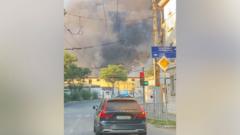
Ukraine Targets Critical Russian Grain Export Infrastructure
A significant military operation has struck major Russian grain export terminals situated at strategic Black Sea port locations, intensifying the ongoing maritime conflict between Russia and Ukraine. The Russian grain export terminals, which serve as vital conduits for agricultural shipments, have become focal points in the broader struggle for control over regional commerce and strategic economic leverage.
The attack on these Russian grain export terminals represents an escalation in the tit-for-tat campaign involving critical shipping infrastructure. Both nations have engaged in systematic efforts to disrupt each other's logistical capabilities, with agricultural commodities serving as a weapon of economic pressure in the extended conflict.
Grain Export Decline Accelerates Amid Port Conflict
The repeated strikes targeting grain export facilities have precipitated a measurable contraction in agricultural shipments originating from both Russia and Ukraine. Market analysts report that export volumes have decreased substantially, creating ripple effects throughout global commodity markets and affecting food security considerations in importing nations.
The Russian grain export sector, traditionally one of the world's largest suppliers of wheat and cereals, faces mounting operational challenges. Infrastructure damage, logistical disruptions, and insurance complications have collectively undermined the capacity to maintain pre-conflict export levels. Farmers and grain producers in affected regions confront mounting pressures as inventory accumulates and financial returns diminish.
Escalating Attacks on Maritime Infrastructure
The destruction of port facilities extends beyond grain terminals, encompassing broader shipping infrastructure critical to both nations' commercial operations. Ukraine has conducted multiple strikes against Russian Black Sea facilities, targeting warehousing complexes, loading mechanisms, and vessel maintenance operations. The strategic objective centers on degrading Russia's ability to generate revenue from commodity exports while simultaneously constraining its capacity to sustain military operations through export earnings.
Conversely, Russian forces have retaliated with attacks on Ukrainian port installations, creating a cycle of mutual economic attrition. The bombardment of maritime infrastructure in contested regions has rendered several major ports partially or entirely non-functional, forcing shipping companies to redirect operations or suspend activities altogether.
Global Trade Disruption and Economic Consequences
The systematic targeting of grain export terminals reverberates through international supply chains and agricultural markets. Countries dependent on Russian and Ukrainian grain imports face supply uncertainties and price volatility. The reduction in available exports from both suppliers tightens global grain markets, pushing commodity prices upward and exacerbating inflation pressures in importing economies.
Insurance providers have substantially increased premiums for vessels operating in the Black Sea, effectively raising shipping costs and diminishing profit margins for exporters. The combination of physical infrastructure damage and elevated insurance expenses creates compounding economic headwinds for the grain trade.
Strategic Implications of Port Infrastructure Warfare
The focus on Russian grain export terminals and broader shipping facilities reflects a calculated strategy to impose maximum economic damage while avoiding direct military confrontation in other theaters. Both combatants recognize that controlling or disrupting trade corridors translates into concrete economic advantage and political leverage in international negotiations.
For Russia, the strikes on grain export infrastructure represent a direct attack on revenue sources essential for funding military expenditures. The loss of export income complicates efforts to sustain military operations and maintain the mobilization necessary for continued conflict. Ukrainian strategy emphasizes targeting the economic sinews supporting Russian state capacity and military capability.
Recovery Prospects and Long-term Outlook
Reconstruction of damaged grain export terminals requires substantial capital investment and extended timelines, particularly given the active conflict environment. Prioritization of military necessities over civilian infrastructure repair means that even if hostilities concluded, months or years would elapse before export capacity returned to pre-conflict levels.
International observers assess that Russian grain export volumes may remain depressed for an extended period, potentially reshaping global grain trade patterns and forcing diversification of supply sources among importing nations. The cumulative effect of repeated strikes on Russian grain export terminals and associated infrastructure will likely produce lasting consequences for agricultural commerce and economic relationships throughout the region and beyond.