
UK's Last Virgin Steel Plant Nationalized by Government
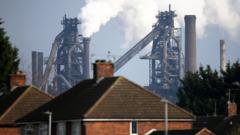
Historic Nationalization of British Steel Marks Turning Point
The British Steel nationalization represents a pivotal moment for the United Kingdom's industrial landscape. The government has formally assumed control of the nation's only remaining facility capable of producing virgin steel, ending years of speculation regarding the plant's operational viability and future direction.
The Last Standing Facility for Virgin Steel Production
This strategic acquisition preserves what remains a critical asset within the UK steel industry. The facility in question stands as the sole domestic producer of virgin steel—material manufactured directly from raw iron ore rather than recycled scrap—marking its exceptional importance to national industrial capacity and economic resilience.
Years of Mounting Uncertainty and Financial Pressures
Prior to the British Steel nationalization, the company navigated an extended period fraught with financial instability and operational challenges. The enterprise had encountered sustained difficulties maintaining profitability amid fluctuating global commodity prices, elevated energy costs, and intense international competition. These mounting pressures had consistently threatened the viability of continuous operations at the plant.
Contributing Factors to the Crisis
Multiple elements converged to create the conditions necessitating government intervention. Energy expenses represented a substantial operational burden, particularly given the capital-intensive nature of steel manufacturing. Additionally, global market dynamics introduced persistent uncertainty, as international competitors with lower production costs captured significant market share. The cumulative effect left the facility struggling to sustain itself through commercial operations alone.
Government Intervention and Public Ownership Strategy
The decision to implement British Steel nationalization reflects governmental recognition of the facility's strategic significance. Rather than permitting closure or foreign acquisition, authorities determined that assuming direct ownership represented the optimal approach for preserving domestic steel-making capacity. This action underscores the perceived importance of maintaining indigenous production capabilities within critical industrial sectors.
Implications for National Industrial Policy
The nationalization signals a notable shift in governmental approach toward strategic industries. By taking the steel facility into public ownership, the UK demonstrates commitment to sustaining essential manufacturing infrastructure. This intervention acknowledges that certain industries warrant protection as matters of national economic security and industrial continuity.
Impact on the Broader Steel Sector
The British Steel nationalization carries implications extending beyond the individual facility. The move affects supply chains, employment levels, and overall productive capacity throughout the UK steel manufacturing ecosystem. With virgin steel production now under government stewardship, authorities can implement policies aimed at supporting downstream industries dependent upon reliable domestic supply sources.
Employment and Regional Considerations
The facility employs a substantial workforce and anchors economic activity within its regional context. Preserving operations through British Steel nationalization protects these employment opportunities and maintains critical infrastructure investment in affected communities. The government's intervention ensures continuity of industrial operations that might otherwise have faced shutdown.
Strategic Importance of Virgin Steel Capacity
Virgin steel produced from raw ore possesses distinct characteristics from recycled material, making dedicated production facilities valuable for specific applications. The British Steel nationalization preserves this specialized capacity, enabling the nation to manufacture certain steel grades essential for defense, infrastructure, and advanced manufacturing sectors. Maintaining autonomous virgin steel production represents a fundamental component of industrial self-sufficiency.
Future Trajectory and Long-Term Considerations
The British Steel nationalization establishes a foundation for strategic decision-making regarding the facility's operational future. Government ownership enables implementation of comprehensive modernization initiatives, investment in efficiency improvements, and coordination with broader industrial policy objectives. These possibilities would have remained constrained under commercial ownership models facing persistent financial constraints.
Moving forward, authorities face the challenge of managing operations sustainably while pursuing the facility's long-term competitiveness. The British Steel nationalization represents not merely a rescue operation but rather a strategic repositioning that potentially enables transformation of production methodologies and operational frameworks.
Conclusion
The nationalization of British Steel concludes an extended period of uncertainty surrounding the UK's last virgin steel production facility. This decisive government action preserves critical manufacturing capacity while establishing the groundwork for future industrial development. As the only remaining domestic producer of virgin steel, the facility's continued operation ensures the nation maintains essential capabilities for advanced manufacturing, defense applications, and strategic economic independence.