
US Halts HIV Funding in South Africa Amid Global Health Crisis
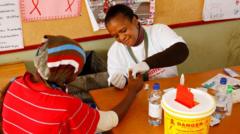
United States Discontinues HIV Programme Support in South Africa
The United States has announced a significant shift in its international health policy by halting financial support for HIV programmes in South Africa, a country grappling with the world's most severe HIV epidemic. This decision marks a substantial change in America's approach to combating the disease in one of Africa's most affected nations.
The Scale of the HIV Crisis in South Africa
South Africa faces an unprecedented public health emergency, with more than eight million citizens currently living with HIV infection. This staggering figure represents the largest HIV-positive population of any nation globally, underscoring the magnitude of the health challenge confronting the country. The prevalence of the virus has profound implications for healthcare systems, economic productivity, and social infrastructure across the nation.
Impact of Reduced International Support
The withdrawal of US financial assistance for HIV programmes raises critical concerns about the sustainability of treatment initiatives and preventive measures. Many South African healthcare facilities and non-governmental organizations have relied on American funding to deliver antiretroviral therapy, conduct testing campaigns, and provide patient education. The reduction in these resources threatens to disrupt ongoing treatment protocols and support networks that millions depend upon for survival.
Economic and Healthcare Implications
South Africa's healthcare sector faces mounting pressure as budget constraints limit the government's capacity to absorb the loss of international funding. The country's National Department of Health already manages substantial expenditures related to HIV care and treatment. The cessation of US support necessitates either increased domestic spending or difficult decisions regarding programme scope and accessibility.
Global Health Policy Considerations
This decision reflects broader changes in international health policy frameworks. The implications extend beyond South Africa's borders, potentially signaling shifts in how developed nations allocate resources for combating infectious diseases in developing regions. Other countries facing similar health crises may experience comparable funding reductions, creating widespread challenges for global disease prevention efforts.
Response from Health Organizations
Medical professionals, public health experts, and humanitarian organizations have voiced concerns regarding the sustainability of existing treatment programmes. The HIV community emphasizes the critical nature of consistent funding for antiretroviral distribution, laboratory testing capabilities, and healthcare worker training initiatives that keep patients alive and prevent new infections.
Looking Forward
South Africa must develop strategies to maintain programme continuity in the face of reduced international support. Potential solutions include increased domestic investment, partnership with alternative funding sources, and enhanced efficiency in resource allocation. The coming months will reveal how effectively the nation adapts to this significant funding change while managing the world's largest HIV-positive population.