
US Helicopter Strike Targets Iranian Blockade-Running Cargo Vessel
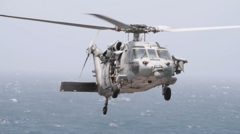
US Military Operation Against Blockade-Running Vessel
The United States military conducted a significant helicopter operation targeting a Panama-flagged cargo ship suspected of attempting to circumvent the Iran blockade in the Gulf of Oman. According to statements from US Central Command, the aerial assault directly impacted the vessel's engine compartment, rendering it incapable of continuing its mission.
Details of the Helicopter Strike
US Central Command officials reported that a military helicopter fired precision munitions at the cargo ship, with the explicit purpose of disabling its propulsion systems. The strike on the vessel's engine room represents a direct enforcement action against what American authorities describe as an attempt to breach established sanctions regimes targeting Iran. The Panama-flagged cargo vessel served as the focal point of this military intervention in one of the world's most strategically significant maritime corridors.
Strategic Context in Gulf Waters
The Gulf of Oman remains a critical waterway for international commerce and military operations. The US helicopter strike underscores Washington's commitment to maintaining the existing sanctions framework against Iran through active naval and aerial enforcement measures. By targeting the engine compartment specifically, military planners demonstrated precision in their tactical approach, aiming to prevent the vessel from proceeding rather than engaging in broader destructive operations.
Iran Blockade Enforcement Mechanisms
American defense officials continue to emphasize their determination to uphold the Iran blockade through various means, including air surveillance and direct intervention when necessary. The deployment of helicopters for strike operations indicates the strategic importance placed on interdicting vessels suspected of transporting goods or resources that would violate current sanctions policies. This enforcement action reflects broader US Middle East policy objectives regarding Iran's economic isolation.
Central Command's Role and Capabilities
US Central Command, responsible for military operations across the Middle East and surrounding waters, maintains extensive helicopter assets capable of rapid response to emerging threats or violations of sanctions regimes. The command structure enables swift decision-making and execution of missions targeting vessels of concern. The helicopter strike demonstrates the operational readiness and precision capabilities available to American military commanders in the region.
Implications for Maritime Commerce
The incident raises significant questions about maritime safety and commercial shipping routes in the Gulf of Oman. Shipping companies operating in these waters must navigate an increasingly complex security environment where military enforcement actions occur without advance warning. The targeting of a Panama-flagged vessel illustrates that vessels registered under various flags remain subject to interdiction if they're suspected of violating sanctions protocols.
International Legal Framework
The strike operation exists within a contentious international legal context. While US officials argue that blockade enforcement falls within permitted military operations, some maritime experts and international observers question the legality of firing on merchant vessels in international waters without explicit provocation. The Panama-flagged ship's status as a commercial cargo vessel rather than a military asset adds layers of complexity to the justification for the helicopter strike.
Future Enforcement Operations
Central Command's successful helicopter operation likely signals that similar enforcement actions may continue against vessels suspected of breaching the Iran blockade. The demonstrated capability and willingness to strike vessels' propulsion systems serves as a deterrent to other commercial operators considering sanctions violations. The operational precedent established by this Gulf of Oman incident may influence shipping patterns and commercial decision-making throughout the region for months to come.