
US Launches New Military Strikes Against Iran Amid Rising Tensions
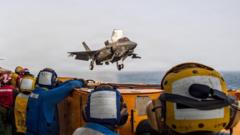
United States Executes New Military Operations Against Iran
The United States has initiated fresh military strikes targeting Iranian military installations, marking an escalation in tensions between the two nations. These US strikes on Iran represent a significant response to ongoing security concerns in the Middle East, with American officials confirming that the operations focus specifically on dismantling Tehran's ability to conduct coordinated assaults against commercial and military vessels operating through critical international waterways.
Strategic Objectives Behind the Operations
Military commanders indicate that the primary objective of the campaign centers on degrading Iran's maritime attack infrastructure. The operations deliberately target assets, command centers, and weaponry specifically designed for offensive actions against shipping routes and naval vessels. By focusing on Iran military capabilities related to maritime threats, the United States aims to restore stability and freedom of navigation in one of the world's most strategically important commercial corridors.
The Strait of Hormuz: A Critical Chokepoint
The Strait of Hormuz remains one of the most vital waterways for global energy security, with approximately one-fifth of the world's petroleum products transiting through its narrow passages daily. Intelligence assessments confirm that Iran possesses various weapon systems, including naval mines, missiles, and drone technology, capable of disrupting traffic through this critical maritime lane. The recent US strikes on Iran specifically target these capabilities to prevent potential blockade scenarios or coordinated attacks against international shipping.
American defense officials have consistently warned about Iranian intentions to weaponize the strait during periods of heightened conflict. The strategic location provides Tehran with significant leverage over global energy markets and international commerce. By conducting these military operations, Washington seeks to eliminate the threat infrastructure before it can be operationalized against commercial interests.
Response and Escalation Concerns
The military action has triggered warnings of potential Iranian retaliation. Senior government officials have publicly cautioned that any response to these US strikes on Iran will face immediate and comprehensive consequences. These statements reflect deep concerns about the loss of American personnel and commitment to protecting United States interests throughout the region.
Defense analysts suggest that the timing and scope of these operations represent a carefully calibrated response designed to degrade immediate threats while maintaining diplomatic channels for potential de-escalation. The strikes target military infrastructure rather than civilian assets, following established rules of engagement and international humanitarian law standards.
International Implications and Concerns
The escalating situation has garnered attention from international stakeholders, including European allies, regional nations, and global organizations. Many governments have expressed concern about the potential for wider conflict in the Middle East, given the region's existing instabilities and competing geopolitical interests. Iran military capabilities discussions now dominate diplomatic channels as nations assess the implications for regional security and international trade.
The Strait of Hormuz attacks prevention remains a shared concern among maritime nations, as disruptions to shipping could trigger global economic repercussions. Insurance rates for vessels transiting the region have already increased, reflecting market uncertainty about future security conditions.
Military Assessment and Future Outlook
Pentagon assessments indicate that the current operations have successfully damaged significant portions of Iran's offensive maritime capabilities. However, officials acknowledge that sustained monitoring and potential follow-up operations may be necessary to maintain the degradation of these threat systems. Intelligence communities continue analyzing the effectiveness of the strikes and assessing Iranian responses.
The situation remains fluid, with continued military readiness protocols in effect throughout the region. Naval vessels and air defense systems remain on heightened alert to respond to any potential Iranian military action. The United States military maintains forward-deployed forces capable of rapid response to emerging threats or escalation scenarios.