
Venezuelan Quake Survivor Rescued After Eight Days Trapped
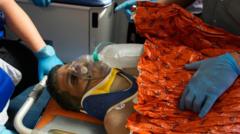
Venezuelan Earthquake Survivor Rescued After Eight Days
In a remarkable display of human resilience and determination, an earthquake survivor in Venezuela was successfully extracted from the rubble after spending eight harrowing days trapped beneath a collapsed multi-storey car park structure. This extraordinary rescue operation highlighted the unwavering commitment of emergency response teams who worked tirelessly to bring the survivor to safety.
The Trapped Individual and Initial Conditions
Hernán Gil found himself in an unimaginable situation when the devastating earthquake struck, leaving him pinned under massive concrete and steel debris from the collapsed parking facility. Despite the overwhelming circumstances and the physical dangers surrounding his entrapment, Gil maintained his composure and actively communicated with rescue workers as they painstakingly worked to extricate him from the wreckage.
The Eight-Day Rescue Operation
Throughout the eight days of this earthquake survivor's ordeal, rescue teams employed specialized equipment and techniques to carefully remove debris without causing further injury or structural collapse. The operation required meticulous planning and coordination among multiple rescue units, engineers, and medical personnel who worked in rotating shifts to ensure continuous progress toward the goal of safely extracting the survivor from his concrete tomb.
Communication and Encouragement
One of the most significant factors in the successful rescue was the constant communication between Hernán Gil and the rescue workers. As the team gradually inched closer through the rubble, Gil provided vital feedback about his physical condition and encouraged the rescuers, expressing confidence in their abilities despite his dire circumstances. This mutual encouragement created a psychological bond that sustained both the trapped man and the rescue personnel through the grueling process.
Rescue Techniques and Challenges
Extracting an individual from such a complex structural collapse presented numerous challenges that required innovative problem-solving. Rescue teams had to carefully assess the stability of remaining structural elements while simultaneously creating safe passages through the debris field. The risk of secondary collapses loomed throughout the operation, demanding that workers proceed with extreme caution. Specialized equipment, including hydraulic jacks, cutting tools, and protective shoring systems, was deployed to manage these dangers while prioritizing the survivor's safety.
Medical Preparedness and Response
Medical teams positioned themselves strategically near the extraction site, ready to provide immediate emergency care upon the earthquake survivor's removal from the rubble. Eight days of entrapment posed significant health risks, including dehydration, malnutrition, internal injuries, and trauma-related complications. Emergency physicians and paramedics developed contingency treatment plans for various potential scenarios they might encounter upon extraction.
The Successful Extraction
When Hernán Gil was finally brought out into daylight, the rescue operation reached its triumphant conclusion. The survivor's extraction represented not only a victory for emergency response protocols but also a testament to human determination and the power of coordinated teamwork. News of the successful rescue spread rapidly, providing hope to families of other missing persons and inspiring communities affected by the earthquake.
Impact on Rescue Operations
This successful extraction of the earthquake survivor served as a critical case study for disaster response teams throughout Venezuela and beyond. The techniques, coordination methods, and communication strategies employed during the operation were documented and analyzed to improve future rescue procedures. The event demonstrated that even in apparently hopeless situations, persistence and professional expertise can overcome seemingly insurmountable obstacles.
Broader Context of the Earthquake
The Venezuelan earthquake that caused the multi-storey car park collapse represented a significant seismic event affecting the region. Beyond the individual tragedy of the survivor's entrapment, the earthquake impacted numerous structures and communities, requiring coordinated regional response efforts and highlighting the importance of building code compliance and structural resilience in earthquake-prone areas.
Recovery and Long-term Implications
The rescue of this earthquake survivor carried broader implications for disaster preparedness and emergency management throughout Venezuela. The successful operation validated investment in specialized rescue equipment and trained personnel, while also identifying areas for improvement in disaster response protocols. Communities learned valuable lessons about structural vulnerabilities and the critical importance of maintaining well-equipped, properly trained rescue teams capable of responding to major catastrophic events.