
Virgin Eyes Expansion of Channel Tunnel Rail Services
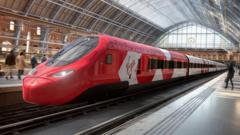
Virgin Group Pursues Ambitious Channel Tunnel Rail Services Expansion
The transport operator is moving forward with its strategic initiative to provide Channel Tunnel rail services with a significant expansion plan. Virgin aims to establish up to 20 daily journeys connecting the United Kingdom with Europe, marking a substantial increase in passenger capacity across this crucial international corridor.
Regulatory Hurdles and Approval Requirements
While Virgin's proposal represents an exciting development for Channel Tunnel rail services, the company faces a critical challenge: obtaining additional regulatory approval for operating on overseas tracks. This requirement underscores the complex nature of international rail operations, where multiple jurisdictions and regulatory bodies must grant permission before services can commence.
The approval process involves coordinating with European rail authorities and ensuring compliance with international standards. These protocols exist to maintain safety, service quality, and operational consistency across different national rail systems. Virgin must demonstrate that its operational practices, staffing, maintenance procedures, and safety protocols meet or exceed the standards established by foreign regulatory agencies.
Channel Tunnel's Strategic Importance for Rail Transport
The Channel Tunnel represents one of Europe's most significant transportation assets, serving as the primary rail link between Britain and the continental mainland. This infrastructure enables rapid, environmentally friendly travel and goods transportation while reducing reliance on air and ferry services. The potential expansion of Channel Tunnel rail services could strengthen economic ties between the UK and Europe while providing passengers with more frequent and convenient travel options.
Current operations already demonstrate the tunnel's capacity to handle high volumes of traffic. By introducing up to 20 additional daily journeys through Virgin's expanded service, the tunnel could optimize its utilization while meeting growing passenger demand. This expansion would represent one of the most substantial increases in Channel Tunnel rail services in recent years.
Operational and Economic Implications
Virgin's expansion plan carries significant implications for employment, infrastructure investment, and cross-border commerce. Increased Channel Tunnel rail services would require additional rolling stock, expanded maintenance facilities, and enlarged workforce to support operations. The company would need to recruit and train personnel familiar with both British and European rail standards.
From an economic perspective, more frequent Channel Tunnel rail services would benefit businesses relying on rapid transport between markets, tourists seeking convenient travel options, and regional economies on both sides of the Channel. Enhanced frequency typically leads to improved competitiveness against alternative transport modes, potentially capturing market share from aviation and ferry operators.
Environmental Benefits of Expanded Rail Services
Expanding Channel Tunnel rail services aligns with broader European sustainability objectives. Rail transport produces significantly lower carbon emissions per passenger compared to aviation or automobile travel. By providing up to 20 additional daily journeys, Virgin would enable thousands of additional passengers annually to choose a lower-emission travel option, contributing to climate change mitigation efforts across the region.
Timeline and Next Steps
Virgin's pursuit of approval for expanded Channel Tunnel rail services represents a long-term strategic commitment to the route. The company must navigate bureaucratic processes, safety certifications, and infrastructure assessments before services commence. These timelines typically span months or years, requiring patience and sustained engagement with regulatory authorities.
The approval process will likely involve technical reviews, financial assessments, and consultations with existing stakeholders in the Channel Tunnel ecosystem. Virgin must satisfy inquiries regarding operational capacity, safety protocols, passenger service standards, and integration with existing timetables.
Competitive Landscape and Market Opportunity
Virgin's initiative to expand Channel Tunnel rail services occurs within a competitive environment where other operators also seek to grow their presence on this profitable route. The company's experience managing rail operations across the UK positions it well to meet the complex demands of international service provision. However, competition from established European rail operators and the need to secure sufficient capacity slots on the tunnel schedule present ongoing challenges.
Successfully launching up to 20 daily Channel Tunnel rail services would establish Virgin as a major player in cross-channel rail transport, potentially opening opportunities for further expansion into other European routes. The approval process, while demanding, represents an investment in Virgin's future positioning within the European transport market.